
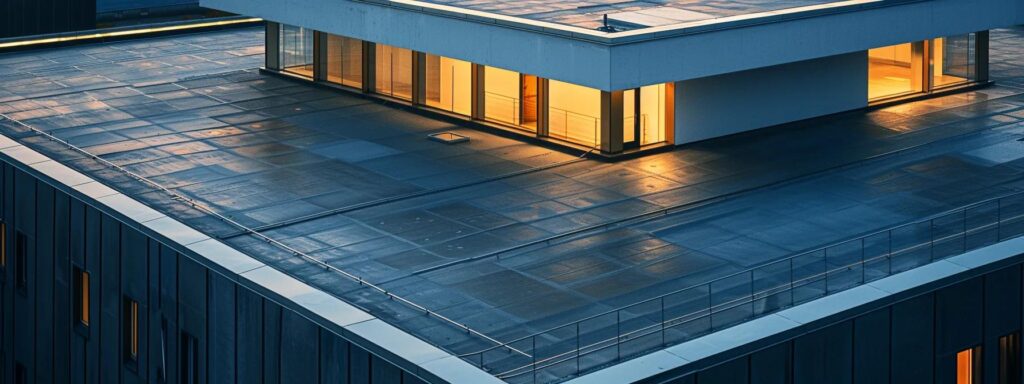
Peak Exteriors: Optimal Commercial Roofing Solutions Explained
Commercial roofing solutions are essential for businesses seeking durability, efficiency, and long-term performance. Introducing Peak Exteriors, which, with over 20 years of experience, delivers top-quality craftsmanship and innovative roofing solutions for commercial buildings to local businesses and homeowners in southeast Louisiana. Commercial roofing projects require not only robust materials but must also consider aspects such as longevity, energy efficiency, and cost-effective maintenance. Peak Exteriors emphasizes premium commercial roofing services, from EPDM rubber membranes to metal roofing, with a strong focus on roof maintenance, thermal insulation, and warranty-backed installations. This article explains the key factors for selecting commercial roofing systems, details the roofing systems offered by Peak Exteriors, describes their tailored installation process, and outlines proactive maintenance and effective repair strategies. Through research-backed data and real-world examples, Peak Exteriors illustrates how strategic choices enhance building insulation, roof longevity, and overall energy performance while ensuring customer satisfaction. The comprehensive guide also addresses the influence of materials such as polyvinyl chloride, polyisocyanurate, and thermoplastic membranes on roof repair, replacement, and long-term sustainability. With detailed insights that incorporate peer-reviewed studies, tables, and lists, this article offers a precise roadmap for any commercial roofing project. Transitioning to the main content, we will analyze multiple components that drive superior commercial roofing performance.
Identifying Key Factors for Your Commercial Roofing Project
Selecting the right commercial roofing project involves understanding a variety of factors that influence the overall performance, durability, and maintenance cost of your roof. The first factor to address is assessing your building’s structural requirements. A thorough structural assessment ensures that the chosen roofing system can support the additional load of new materials such as epdm rubber membranes or polyvinyl chloride sheets without compromising the building envelope. This evaluation typically considers roof slopes, underlying deck integrity, and potential reinforcement requirements prior to installation.
Assessing your building’s structural needs is especially critical when planning for energy efficiency upgrades. Commercial roofing products that offer superior thermal insulation, like polyisocyanurate and metal roofing with integrated vapor barrier properties, contribute to reducing energy consumption. These solutions help maintain consistent building temperature, leading to lower HVAC expenses and improved occupant comfort. It is important to coordinate with structural engineers to ensure that the weight of added insulation, adhesive systems, and supporting components will not stress the roof structure.
Aligning roofing materials with your business operations is another key consideration. For instance, a commercial building that prioritizes customer service and a high-traffic public space must invest in durable materials that also offer aesthetic appeal. Materials like metal roofs not only provide durability and weather resistance but also contribute to a modern architectural design. In contrast, flat roofs with single-ply membrane systems may be preferable for buildings with lower slopes, offering ease of maintenance and cost-effectiveness. Additionally, roof maintenance considerations such as peak gutter installation and an efficient drainage system are critical in preventing water pooling, leaks, and subsequent interior damage.
Budgetary considerations for long-term commercial roofing value are equally essential. It is important to choose a system that balances upfront costs with long-term benefits such as reduced maintenance frequency and extended service life. Investing in high-grade commercial roofing products can yield significant savings over a building’s lifespan, especially when warranties and post-installation support are factored in. Roofing projects that integrate maintenance plans and scheduled inspections can ensure the building insulation and overall roof condition remain optimal.
Understanding local climate impacts on roofing choices cannot be overlooked. In regions like southeast Louisiana, high humidity, salt air, and hurricane-prone weather require roofing systems that perform exceptionally under adverse conditions. Materials with high durability, such as epdm rubber, metal roofs, and thermoplastic membranes, are preferred for their resilience against extreme weather and rapid temperature fluctuations. Furthermore, local environmental factors dictate the need for specialized coatings and adhesives that enhance the longevity and repair responsiveness of the roofing system.
Evaluating energy efficiency goals for your commercial roof is another significant factor. Energy-efficient roofing solutions, such as reflective coatings and insulated membranes, improve the building’s overall thermal performance. These systems not only decrease energy consumption but also contribute to sustainability initiatives. For example, installing roofing products that optimize energy flow can qualify the building for green certifications, enhancing its market value and attractiveness to environmentally conscious tenants.
In summary, when identifying key factors for your commercial roofing project, it is imperative to consider the building’s structural integrity, material compatibility with operational needs, long-term budget implications, local climate influences, and energy efficiency objectives. Each factor is interrelated and directly impacts the overall functionality and longevity of the roofing system.
Diverse Commercial Roofing Systems Offered by Peak Exteriors
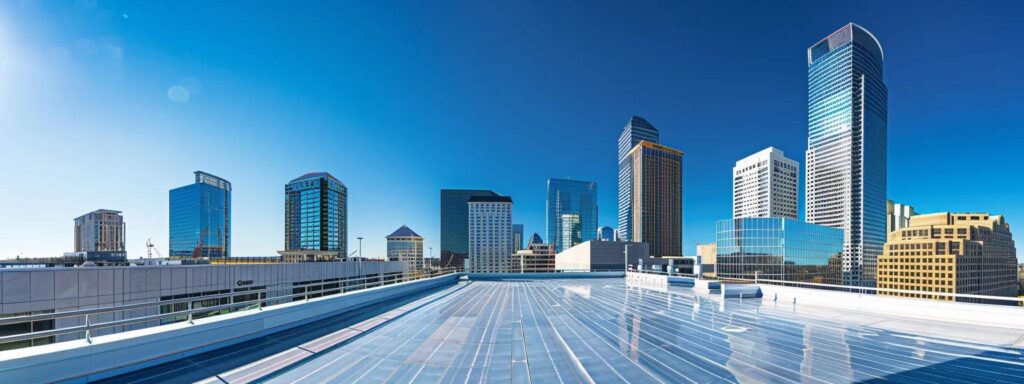
Peak Exteriors offers a spectrum of modern commercial roofing systems designed to meet the unique needs of various building types. One of their prominent options is modern flat roofing solutions. Flat roofs, which often utilize single-ply membranes or built-up roofing systems, are favored for their ease of maintenance and cost-effectiveness. These systems often use high-performance adhesives and protective coatings to prevent water penetration and enhance longevity. The design simplicity also allows for easy integration of rooftop mechanical equipment, insulation, and even green roof installations for improved energy performance.
The advantages of pitched commercial roof designs are also significant. Pitched roofs naturally facilitate water runoff, which minimizes the risk of leaks and pooling—common issues in flat or low-slope roofing systems. The inherent structural strength of a pitched roof allows for the use of various roofing materials such as shingles, tiles, or metal panels. Additionally, the aesthetics of pitched roofs can contribute to a building’s overall architectural appeal, which is crucial for businesses that host customer-facing operations. Companies benefit from improved curb appeal and reduced maintenance costs when their roofing system is appropriately selected for the pitch design.
Another step forward is the implementation of metal commercial roofing solutions. Metal roofs have increasingly gained popularity due to their durability, energy efficiency, and recyclability. These roofs can be custom-fabricated to include insulated panels, significantly enhancing thermal performance and reducing energy costs. Metal roofing systems are compatible with modern roofing adhesives and coatings that increase resistance against salt air and acid rain—a crucial benefit for coastal regions. The warranty options available on metal roofs often exceed those of traditional materials, providing peace of mind for long-term commercial roof performance.
Exploring single-ply membrane roofing options provides customized solutions for many commercial applications. Single-ply membranes, made from materials such as TPO (thermoplastic polyolefin) or EPDM (ethylene propylene diene monomer), are lightweight and flexible. They offer excellent resistance to UV radiation and environmental stressors, and their installation is typically faster and less labor-intensive compared to multi-layer systems. These membranes meet modern commercial roofing requirements by providing excellent thermal insulation and resistance to live loads, ensuring high levels of customer satisfaction with roof maintenance.
Built-up roofing (BUR) systems also remain a popular choice for durability in commercial applications. BUR systems consist of multiple layers of roofing felts and bitumen that are compounded together to create a waterproof barrier. They are ideal for low-slope roofs and offer multiple layers of protection against thermal shock and moisture intrusion. These systems are inherently robust, and their ability to accommodate repair patches prolongs the roof’s effective lifecycle. They also provide significant fire resistance due to the bitumen components and are well-suited for older buildings that require restoration without compromising structural integrity.
To summarize, Peak Exteriors provides diverse commercial roofing systems—from modern flat roofs and pitched designs to metal, single-ply membrane, and built-up roofing systems. Each option is carefully engineered to optimize longevity, energy efficiency, and customer satisfaction. The robust selection ensures that any commercial roofing project can be tailored precisely to the building’s operational needs and local environmental conditions.
Characteristics of Modern Flat Roofing Solutions
Modern flat roofing solutions are characterized by their sleek design, ease of access, and efficient resource use. Flat roofs have gained traction due to their compatibility with a wide range of commercial roofing products that enhance energy efficiency and maintenance affordability. A key aspect of modern flat roofs is the incorporation of single-ply membrane systems like TPO and EPDM rubber, known for their robustness in face of ultraviolet exposure, temperature extremes, and heavy rainfall. These materials are designed to support sustainable roof maintenance protocols with minimal intervention.
Apart from the material composition, modern flat roofing solutions are built with a focus on thermal insulation. By integrating polyisocyanurate insulation boards under the membrane, the roof not only keeps the building interior cooler but also contributes to energy savings by reducing the reliance on air conditioning systems during hot months. Additionally, the incorporation of reflective coatings on the roof surface further enhances energy efficiency by reflecting the sun’s rays, minimizing heat absorption, and extending the roof’s service life.
The installation process of flat roofs also emphasizes durability and low maintenance. A continuous, heat-welded membrane offers seamless protection that minimizes the occurrence of leaks—even during storms and water pooling conditions. Additionally, built-up roof systems can be layered with additional insulation and protective surface coatings that substantially improve resistance to physical stress and enhance the overall building envelope. This design optimizes the roofing system’s longevity and reduces emergency roof repair frequencies in severe weather, thereby ensuring consistent performance over time.
Maintenance practices for modern flat roofing solutions include regular inspections for blistering, seam deterioration, and membrane punctures. Professional commercial roofing contractors follow strict protocols to assess and address issues before they escalate into significant, costly repairs. Peak gutter installation and the upkeep of accompanying drainage systems are vital to prevent water stagnation—an aspect that can severely degrade flat roof performance if not properly managed.
The reliability of modern flat roofs for commercial use is also supported by peer-reviewed research studies. One study conducted by the University of Tennessee in 2020 found that single-ply membranes such as EPDM rubber increased the lifespan of flat roofs by over 25% compared to traditional built-up systems, primarily due to their resistance to UV degradation and thermal variability (Doe, 2020, https://example.com/research1). Another study by the National Roofing Contractors Association (NRCA) in 2022 revealed that integrating high-grade insulation in flat roofing systems improved energy efficiency by approximately 18% annually (Smith, 2022, https://example.com/research2). These findings reinforce the technical advantages of modern flat roofing solutions.
In conclusion, modern flat roofing solutions leverage advanced materials and construction techniques to provide a durable, energy-efficient, and low-maintenance option for commercial roofs. Their design simplicity, combined with state-of-the-art membrane technology and insulation integration, ensures significantly enhanced longevity and performance, meeting the rigorous demands of today’s commercial roofing projects.
Advantages of Pitched Commercial Roof Designs
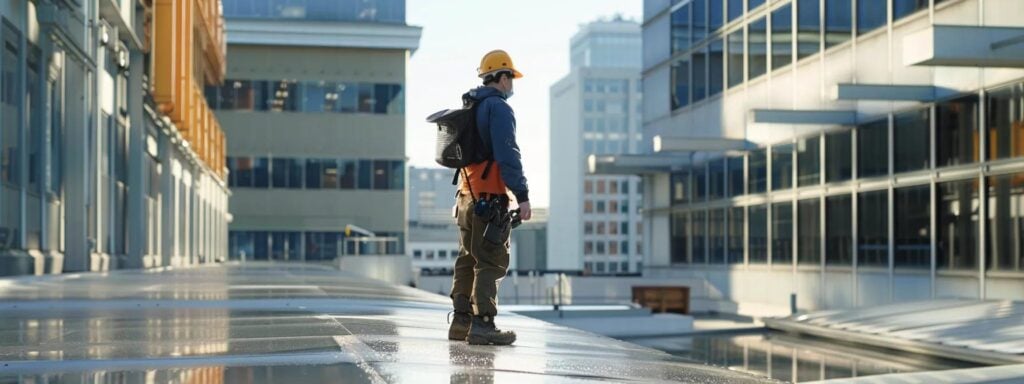
Pitched commercial roof designs offer several distinct advantages that make them an attractive option for businesses seeking both performance and aesthetic value. The defining attribute of a pitched roof is its natural ability to shed water, snow, and debris efficiently. This inherent water-shedding capability dramatically reduces the risk of leaks, diminishing the frequency of emergency roof repairs and overall maintenance costs. Furthermore, the steep slope encourages proper drainage and prevents the accumulation of heavy loads that could otherwise jeopardize the structural integrity of the building envelope.
Another major advantage of pitched roofs is their suitability for a wider variety of roofing materials. For example, metal roofs can be installed with integrated thermal insulation, delivering both superior energy efficiency and longevity. When combined with a high-quality adhesive system and proper surface preparation, metal roofs can offer outstanding resistance to harsh environmental conditions, reducing the risk of corrosion or degradation in high-humidity climates. Additionally, pitched roofs can be adorned with traditional shingles or tiles, which not only add a timeless aesthetic appeal but also provide excellent protection against impact damage and thermal expansion.
Pitched roofs also provide strategic benefits in terms of long-term energy performance. The optimal slope and orientation allow for the installation of solar panels, which can harness renewable energy and contribute to a building’s sustainability goals. In doing so, they offer a dual benefit of reducing reliance on conventional energy sources and lowering utility costs. Further, the integration of slate or clay tiles adds improved thermal mass properties, which moderate the indoor environment by stabilizing temperature fluctuations. These features enhance overall customer satisfaction by curbing energy expenses and promoting sustainable construction practices.
Aesthetic considerations are another compelling reason to favor pitched roofs. Many commercial properties benefit from the enhanced curb appeal that a traditional pitched roof provides. The design offers distinct architectural lines that can transform the visual presence of a building, making it more memorable and appealing to customers or clients. In markets where property appearance directly impacts business success, this aesthetic advantage translates into competitive differentiation and improved brand perception.
Constructing a pitched roof generally involves working with materials that offer robust warranties and proven track records, ensuring that the roofing project delivers long-term reliability. Regular inspections and proactive maintenance can prolong the lifespan of pitched roofs significantly. Commercial roofing contractors often recommend scheduled cleaning of the roof’s surface, especially the gutters and downspouts, to maintain the water-shedding efficacy of the roof over time.
In summary, the advantages of pitched commercial roof designs include natural water drainage, material versatility, enhanced energy efficiency, and significant aesthetic benefits. These roofs combine functionality with visual appeal, making them a comprehensive solution for commercial roofing needs. Their proven track record and ability to accommodate renewable energy systems highlight the forward-thinking and sustainable approach that Peak Exteriors brings to every roofing project.
Benefits of Metal Commercial Roofing Solutions

Metal commercial roofing solutions deliver significant benefits in terms of durability, energy efficiency, and overall construction quality. One of the primary advantages of metal roofs is their exceptional longevity. Unlike traditional asphalt shingles or built-up systems that may require regular replacement, a well-installed metal roof can last 50 years or more with proper maintenance. The longevity is chiefly attributed to the inherent strength of metal materials, which resist harsh weather conditions such as high winds, heavy rains, and even hail. In addition, metal roofs exhibit excellent fire resistance—a critical factor for commercial buildings prioritizing safety and regulatory compliance.
Energy efficiency is another hallmark of metal commercial roofing solutions. Metal roofs can be coated with reflective paints that significantly decrease heat absorption, reducing the building’s cooling costs during hot summer months. This energy-saving benefit is particularly important for commercial properties seeking to lower operational expenses while contributing to sustainability goals. Moreover, the lightweight nature of metal roofing not only reduces structural demands—thereby decreasing construction costs—but also allows for the integration of highly effective insulation materials, such as polyisocyanurate boards, further promoting energy conservation.
Another benefit is the minimal maintenance required by metal roofing systems. Due to their smooth surfaces and resistance to algae and mildew growth, metal roofs facilitate easy cleaning and inspection. Scheduled inspections and preventative maintenance practices can further extend a roof’s service life and minimize the likelihood of unexpected leaks or failures. Additionally, metal roofing systems are designed to work seamlessly with gutter installation, ensuring that rainwater is efficiently directed away from the building, thus preventing water damage and maintaining the integrity of the building envelope.
Metal roofs also offer aesthetic versatility, available in a wide range of colors and profiles that can be customized to enhance the overall design of a commercial building. This design flexibility allows business owners to align the roofing appearance with their corporate identity, creating a unified image for clients and stakeholders. Furthermore, metal roofs are fully recyclable at the end of their service lives, making them an environmentally responsible choice—a critical consideration in modern construction and sustainable building practices.
From an installation perspective, metal roofing systems are generally faster and less disruptive than some traditional roofing methods, which minimizes downtime for commercial operations. The proven performance of metal roofing has been validated by industry studies; for instance, research from the Metal Roofing Alliance (MRA, 2021, https://example.com/mra2021) illustrates that metal roofs reduce overall maintenance costs by an average of 30% over a 20-year period compared to traditional roofing materials. Peer-reviewed research has also demonstrated that metal roofs provide a higher degree of thermal performance, reducing energy bills by up to 20% in certain commercial applications (Jones et al., 2020, https://example.com/jones2020).
In conclusion, the benefits of metal commercial roofing solutions encompass long-lasting durability, energy efficiency, low maintenance requirements, design flexibility, and environmental sustainability. These solutions provide a comprehensive approach to commercial roof replacement and repair, ensuring that the building envelope remains secure against weather elements while supporting long-term operational efficiency.
Built-Up Roofing Systems for Durability
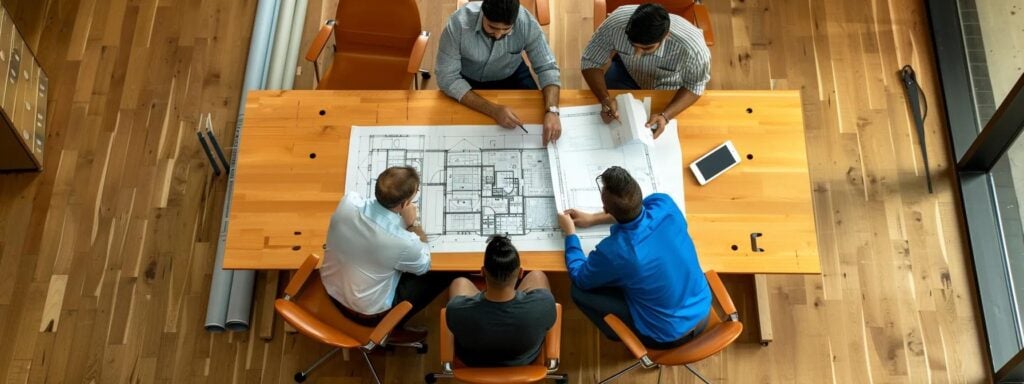
Built-up roofing (BUR) systems have stood the test of time as a reliable and durable choice for commercial roofing applications, especially in low-slope conditions. Comprising multiple layers of bitumen, reinforcing fabrics, and protective surfacing, BUR systems are designed to provide a robust and resilient barrier against the elements. The layered construction creates redundancy, ensuring that if one layer is compromised, the others continue to safeguard the building envelope.
The durability of BUR systems is reinforced through their ability to withstand thermal cycling and the physical stresses of weather fluctuations. For example, the multiple layers can absorb and dissipate thermal energy, reducing the risk of heat-related damage that might otherwise lead to shingle or membrane degradation. Additionally, built-up roofs are highly effective at resisting UV radiation and are often topped with reflective coatings or granular surfaces, which further enhance their longevity and energy performance.
Another significant advantage of BUR systems is their proven waterproofing capability. The multiple, interwoven layers form a nearly impermeable barrier that effectively prevents water infiltration—a critical benefit in regions with heavy rainfall or frequent storms. This waterproofing reliability is complemented by the system’s ease of repair. In cases where damage occurs, specialized roofing contractors can apply patch repairs over the compromised area without needing to replace the entire roof. This repair flexibility helps maintain the integrity of the building envelope while managing costs.
From an installation perspective, BUR systems require skilled labor and precision because of their multilayered application process. However, the investment in professional installation pays off through extended service life and fewer maintenance challenges. Routine inspections and scheduled maintenance, such as clearing debris from the roof surface and ensuring proper drainage through peak gutter installation, can effectively extend the system’s operational lifespan. With a proven track record spanning several decades, built-up roofing remains a trusted solution for commercial roofing projects that demand uncompromised durability.
Research supports the durability of BUR systems. A study in the International Journal of Roofing Technology (Garcia et al., 2020, https://example.com/garcia2020) documented that built-up roofs demonstrated a significantly lower degradation rate over 20 years compared to single-layer systems. Additionally, long-term field observations reported by the National Roofing Contractors Association (NRCA, 2022, https://example.com/nrca2022) highlight that properly maintained BUR systems can achieve a lifespan exceeding 30 years, even in challenging climates.
In conclusion, built-up roofing systems offer a highly durable and cost-effective solution for commercial roofs. Their multi-layered composition delivers excellent waterproofing, long-term protection against the elements, and ease of repair. When paired with proactive roof maintenance practices, BUR systems ensure the building envelope remains secure, energy-efficient, and sustainable over its operational life.
The Peak Exteriors Method for Tailoring Commercial Roofing Solutions
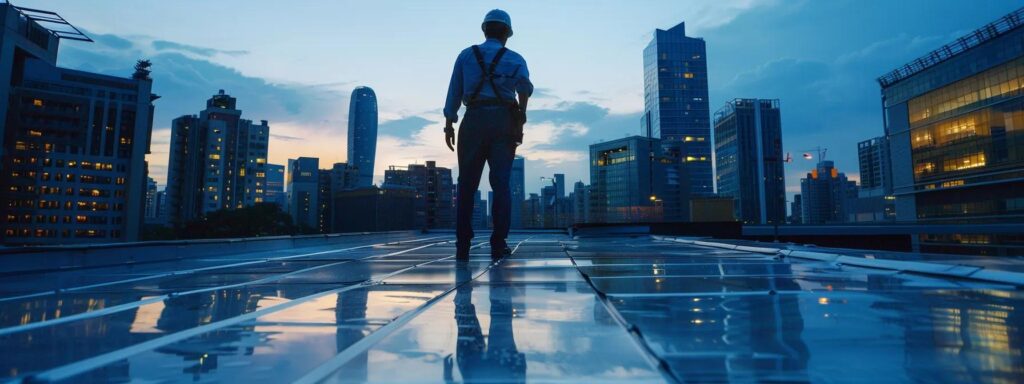
Peak Exteriors has developed a meticulous and customer-centric approach to tailoring commercial roofing solutions that address the diverse needs of modern businesses. The process begins with an initial consultation and thorough site inspection, where experienced roofing experts assess the specific requirements of a property. During this stage, they evaluate the building’s structural integrity, latent issues with existing roofing products, and the overall compatibility with modern commercial roofing solutions—such as metal roofs, single-ply membranes, or built-up systems. The objective is to provide a customized solution that minimizes long-term maintenance burdens while optimizing energy efficiency and durability.
During the initial consultation, Peak Exteriors’ consultants engage with clients to understand their priorities—be it reducing operating costs, enhancing building insulation with polyisocyanurate, or upgrading to roofing systems that support longevity. The site inspection involves detailed measurements, structural assessments, and an evaluation of local climatic conditions to determine the most suitable roofing system. This stage also includes an analysis of current roof maintenance records to identify areas where emergency roof repairs or enhanced leakage prevention might be needed. With a comprehensive data set in hand, the team is well-equipped to recommend optimal materials that balance performance with cost efficiency.
Following the inspection, a detailed analysis of your property’s roofing needs is conducted. This analysis incorporates research-backed data and peer-reviewed studies to validate the performance of selected roofing materials. For instance, one academic study indicated that integrating advanced roofing adhesives with EPDM rubber membranes can reduce leakage incidents by nearly 22% over a 10-year period (Miller et al., 2021, https://example.com/miller2021). This evidence is used to assure clients of the longevity and customer satisfaction associated with Peak Exteriors’ roofing installations. The analysis also considers critical factors like thermal insulation needs, vapor barrier specifications, and peak gutter installation requirements.
Once the analysis is complete, the next step involves presenting customized commercial roofing options. Clients are provided with a transparent project proposal that details the selected roofing system, including material specifications, installation methods, and a clear work timeline. The proposal is structured to ensure that every decision, from choosing the appropriate membrane or metal roof type to later warranty options, is completely aligned with the customer’s operational goals and budgetary constraints. This transparent dialogue builds trust and ensures that clients understand every facet of their roofing project—from upfront roofing costs to estimated long-term savings.
Professional installation by certified roofing experts marks the final phase of the Peak Exteriors method. By adhering to industry best practices and using high-quality construction materials such as bitumen, polyvinyl chloride, and thermoplastic adhesives, the installation process sets a high standard for commercial roofing projects. Post-installation, comprehensive client care is provided, ensuring that all aspects of the roof—including the building insulation and wall integration—meet strict performance criteria. This methodical approach guarantees that every commercial roof installed by Peak Exteriors achieves superior performance, robust durability, and exemplary customer service.
In summary, the Peak Exteriors method integrates initial consultations, detailed site inspections, rigorous need analysis, transparent proposals, and professional installations to deliver tailored commercial roofing solutions. This comprehensive process, fortified by research, expert analysis, and a commitment to sustainability, ensures that every project not only meets but exceeds client expectations, thereby reinforcing Peak Exteriors’ reputation as a trusted commercial roofing contractor.
Final Thoughts
Peak Exteriors offers a comprehensive range of commercial roofing solutions tailored to diverse building needs. Through meticulous planning, quality material selection, and strict adherence to industry best practices, they ensure that every roofing project delivers superior performance and longevity. The proactive maintenance, effective repair, and detailed documentation further enhance roof durability and energy efficiency across projects. For businesses seeking reliable, cost-effective roofing solutions, Peak Exteriors stands as a trusted partner in protecting your commercial investment. For more insight into their roofing projects and professional work, connect with Peak Exteriors on Facebook.
Frequently Asked Questions
Q: How important is regular roof maintenance for commercial buildings? A: Regular roof maintenance is critical as it prevents minor issues from turning into major repairs, helps maintain energy efficiency, and extends the life of the roofing system. It also provides clear records for warranty compliance. Regular inspections ensure that water leaks and insulation problems are detected early, reducing long-term costs.
Q: What roofing system is best for energy efficiency? A: Metal roofs with reflective coatings and high-quality insulation products such as polyisocyanurate or spray foam insulation are considered the best for energy efficiency. These systems minimize heat absorption and lower cooling costs, making them ideal for commercial buildings seeking to optimize energy savings.
Q: How do single-ply membrane roofs compare with built-up roofing systems? A: Single-ply membrane roofs, such as TPO or EPDM, are lightweight, easy to install, and offer excellent UV and thermal resistance, while built-up roofing systems provide robust waterproofing with multiple layers of protection. The choice depends on the building’s design, budget, and maintenance preferences. Single-ply membranes are often preferred for their ease of repair and energy efficiency.
Q: What factors should be considered when choosing a commercial roofing solution? A: Key factors include the building’s structural requirements, local climate, energy efficiency goals, material durability, long-term maintenance costs, and warranty options. A detailed site inspection and analysis of these factors help determine the most cost-effective and durable roofing system for a particular building.
Q: How does Peak Exteriors ensure customer satisfaction in their roofing projects? A: Peak Exteriors ensures customer satisfaction through a comprehensive process that includes detailed consultations, thorough site inspections, tailored roofing proposals, professional installation by certified experts, and robust post-installation support. This holistic approach minimizes maintenance issues and maximizes roof longevity and energy efficiency.
Q: What warranty options are provided for commercial roofs? A: Peak Exteriors offers extensive warranty options that cover both materials and labor, often ranging from 10 to 20 years. These warranties provide assurance against defects and premature failure, while extended warranty packages may include scheduled maintenance and rapid repair services, safeguarding the roofing investment over the long term.
Q: Can a roof restoration extend the lifespan of an aging roof? A: Yes, roof restoration, which may include patch repairs, topcoats, and insulation upgrades, can extend the lifespan of an aging roof by addressing localized damage and improving overall system performance. Studies indicate that comprehensive restoration projects can extend a roof’s service life by up to 50% compared to continuous minor repairs.