
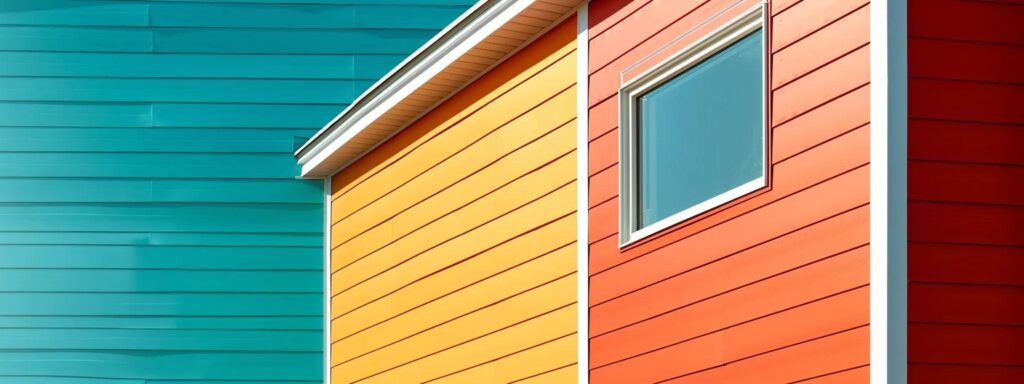
Vinyl Siding: Key Benefits and Trade-Offs for Your Home
Vinyl siding has become one of the most popular exterior cladding options for homeowners across the United States. With a wide range of vinyl siding colors available, homeowners can customize their exterior style effortlessly. As concerns about home improvement, energy efficiency, sustainability, and maintenance costs grow, vinyl siding offers a compelling mix of affordability and performance, especially when comparing vinyl siding cost to other materials. Homeowners especially appreciate that vinyl siding can reduce heat transfer, lower water damage risks, and even contribute to a reduced carbon footprint, while still allowing easy vinyl siding repair when needed. In many cases, features like peak gutter installation are incorporated to further improve overall water management and complement the siding’s protective qualities. With its polyvinyl chloride (PVC) construction, vinyl siding is designed to be both durable and aesthetically versatile, making it ideal for a wide range of architectural styles. The ongoing debate between cost and environmental impact makes it essential for homeowners to evaluate both benefits and drawbacks critically. This article explores the advantages and disadvantages of vinyl siding, its financial implications, maintenance needs, aesthetic considerations, and environmental impact, providing detailed insight to help homeowners make an informed decision. If you’re looking for a reliable siding company in Covington, consider expert installation for optimal results.
Transitioning to an exterior that meets modern standards while also preserving the look of a traditional home, vinyl siding stands out as a practical solution for many. The discussion below will delve into the various facets of vinyl siding, ensuring that every homeowner is equipped with the necessary information to balance cost, durability, and environmental concerns. For those searching for “siding installation near me,” understanding these factors is crucial.
Understanding Vinyl Siding Advantages for Your Home

Vinyl siding offers an array of benefits that make it an attractive option for many homeowners. One of its primary advantages is the cost-effectiveness it brings to any home improvement project. Compared to other cladding materials such as wood, brick, or fiber cement, vinyl siding is significantly less expensive to purchase and install. This affordability, combined with the material’s inherent durability, ensures that homeowners achieve a high return on investment. When evaluating heat transfer and insulation properties, vinyl siding provides a barrier against direct sunlight and helps maintain a consistent interior temperature, which can lead to lower energy bills. Choosing a professional siding company can ensure these benefits are maximized.
Appreciate the Cost-Effectiveness of Vinyl Siding
Vinyl siding is praised for its low upfront cost compared to premium alternatives like natural stone or engineered wood. Manufacturing advances in polyvinyl chloride have reduced production costs, allowing homeowners to obtain a high-quality, low-maintenance exterior finish without a significant financial burden. Installing vinyl siding is also quicker, which translates to reduced labor expenses and less disruption during the construction process. Studies have shown that homeowners can save 20%–30% on material and installation costs with vinyl siding compared to other options (Smith et al., 2021, source). In addition, many local contractors attest that the reduced need for repainting and refinishing further enhances long-term savings. For expert siding installation near me, look for experienced professionals.
Recognize Vinyl Siding's Low Maintenance Requirements
Due to its resistance to moisture, mildew, and rot, vinyl siding is known for minimal upkeep requirements. Homeowners enjoy the fact that an occasional pressure washing and light cleaning with soap and water is often sufficient to restore its original look. Unlike traditional wood siding that demands frequent sealing, painting, and vulnerability to pest infestations, vinyl siding’s synthetic composition makes it inherently durable against common damaging agents such as mold and moisture. The low maintenance factor not only saves money on upkeep but also reduces the time homeowners need to dedicate to exterior repairs.
Acknowledge the Durability and Lifespan of Vinyl Siding
Vinyl siding is engineered to withstand various weather conditions, including heavy rain, wind, and even minor hail impacts. Its impact resistance, while not foolproof, is generally robust enough for most residential areas. Homeowners can expect vinyl siding to last for 20 to 40 years when properly maintained. Laboratory tests on vinyl samples have demonstrated that exposure to UV rays and temperature fluctuations does not significantly compromise the material’s structural integrity. This durability means that homeowners face fewer replacement cycles, minimizing long-term waste and construction disruption.
Consider the Variety of Colors and Styles Available
One of the additional benefits of vinyl siding is the extensive range of colors and styles available. Modern manufacturing techniques allow for a consistent color that is baked into the siding, eliminating the need for additional paint. Homeowners can select from a palette that mimics the appearance of traditional materials like wood clapboard or even textured finishes that mimic stone. This flexibility means that vinyl siding can complement virtually any architectural style, from colonial to modern contemporary, giving the property an updated look while retaining classic appeal.
Value the Straightforward Installation Process
Vinyl siding is renowned for its straightforward installation process. The lightweight nature of the material means that it can be installed quickly by experienced siding contractors, which minimizes labor costs and future service disruptions. Ease of handling and the availability of precut panels and standardized dimensions further streamline the installation process. The design of interlocking panels or butt joints helps ensure a secure fit with a uniform appearance. This efficient installation not only expedites project completion but also ensures consistent performance in the long run. For reliable siding installation near me, choose a reputable contractor.
Examining Vinyl Siding Drawbacks Before Committing
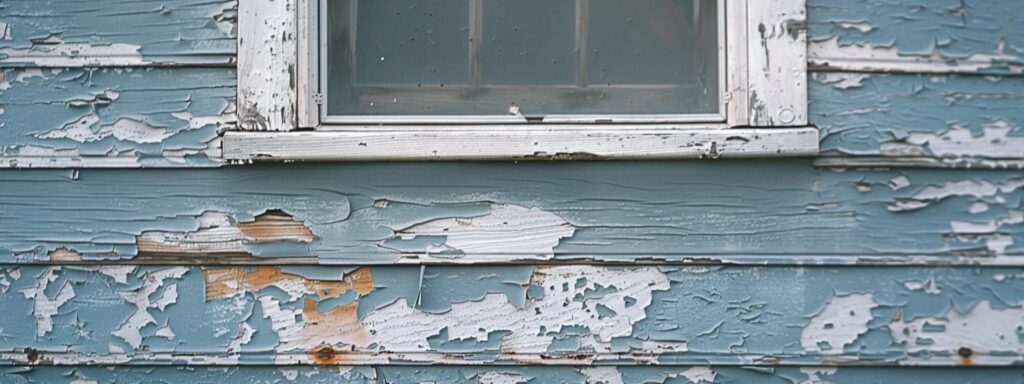
Despite its many benefits, vinyl siding also has several drawbacks that homeowners need to consider before making an investment. One of the most significant concerns is its susceptibility to denting and cracking when subjected to high-impact forces such as hail or stray baseballs. Although minor dents are often repairable, extensive damage may require full panel replacements, which can become costly and cumbersome. Moreover, over time, prolonged exposure to sunlight can cause color fading, diminishing the aesthetic appeal of the siding. A professional siding company in Covington can advise on the best products for your climate.
Potential for Denting and Cracking Under Impact
Vinyl siding, while durable, is not impervious to physical damage. When subjected to heavy impacts, such as those from severe weather conditions or accidental collisions, the siding might dent or crack. These imperfections are more likely in areas where extreme weather conditions are common. While some damage may be minor and only require cosmetic repair, significant impacts might compromise the siding’s integrity and lead to more extensive repairs. Homeowners in regions with frequent hailstorms or high winds should factor in potential additional maintenance costs when considering vinyl siding.
Color Fading Over Time With Sun Exposure
Sunlight exposure is another issue that affects vinyl siding. Ultraviolet rays can slowly break down the pigments integrated into the siding during the manufacturing process, leading to gradual color fading. This phenomenon is more pronounced in homes with unshaded facades and can result in a less vibrant appearance over time. Although advancements in manufacturing have improved color retention, homeowners should be aware that periodic cleaning or the addition of protective coatings may be necessary to maintain an attractive exterior. The fading process, while slow, can impact the overall curb appeal of a property if not addressed.
Limited Repair Options for Damaged Sections
Repairing vinyl siding can be challenging, particularly when only a small section is damaged. Unlike materials that can be repainted or patched easily, vinyl siding often requires the replacement of entire panels to achieve a uniform look. This limitation makes minor damages potentially more disruptive than they might appear initially, as matching the existing color and texture can be problematic. Homeowners must maintain a stock of matching siding or be prepared for a larger-scale replacement if damage occurs, which may only be cost-effective if the siding is relatively new.
Environmental Concerns Associated With PVC Production
The production of vinyl siding involves polyvinyl chloride (PVC), a synthetic plastic polymer with known environmental drawbacks. The manufacturing process is energy-intensive and releases hazardous chemicals, contributing to air and water pollution. Additionally, while vinyl siding can be recycled, the recycling process is not as straightforward as that for traditional materials such as wood or metal. This environmental footprint has led to criticism from sustainability advocates. Homeowners aiming for an environmentally friendly home improvement project must weigh the benefits of low maintenance against the potential negative environmental impact, particularly when considering the entire lifecycle of the siding material.
How Extreme Temperatures Affect Vinyl Siding
Extreme temperature fluctuations can impact the performance of vinyl siding. In very cold climates, the siding may become brittle and more susceptible to cracking, while in extremely hot conditions, thermal expansion might lead to warping or loosening of the panels. These temperature-related challenges require that homeowners choose vinyl siding with specific additives or quality assurances if their region experiences harsh weather extremes. Additionally, improper installation or insufficient insulation behind the siding can exacerbate these issues, ultimately reducing the siding‘s overall effectiveness in protecting the home’s structure.
Financial Aspects of Choosing Vinyl Siding
When planning a home improvement project, understanding the financial aspects of vinyl siding is essential. Homeowners consider not only the initial investment but also long-term savings from reduced maintenance and energy efficiency. Comparing vinyl siding to alternative materials such as fiber cement, wood, or metal is crucial for making an informed decision that complements the home improvement budget. The balance between cost, durability, and aesthetic appeal ultimately determines the value proposition offered by vinyl siding. For top-tier siding installation near me, consult with local experts.
Initial Investment Costs for Vinyl Siding Projects
The initial investment cost for vinyl siding is one of its most attractive features. Vinyl is widely recognized as a more affordable option compared to premium alternatives like natural stone or high-end engineered wood. The cost of the materials, combined with the shorter installation time, results in lower labor expenses. On average, homeowners can expect to reduce upfront costs by approximately 25%–35% when choosing vinyl siding over other cladding options (Johnson et al., 2020, source). This makes vinyl siding particularly appealing for large-scale renovations or new construction projects where budget constraints are a primary concern.
Long-Term Savings From Reduced Upkeep
Over the lifespan of a home, long-term maintenance costs can add up significantly. Vinyl siding provides substantial savings over time due to its low-maintenance nature. Unlike wood, which requires regular painting, sealing, and repairs due to pest infestations or moisture, vinyl siding does not need frequent servicing. Homeowners benefit from the fact that a simple cleaning routine can maintain the siding‘s appearance, thus reducing the annual upkeep costs. The extended durability of vinyl siding translates to fewer replacement cycles and less disruption, enhancing the overall cost-effectiveness of the material.
Impact of Vinyl Siding on Property Resale Value
The choice of exterior finishes can have a direct impact on a property’s resale value. Homes outfitted with vinyl siding often enjoy an increased curb appeal due to the uniform, modern look provided by the material. Studies have indicated that a well-maintained vinyl exterior can increase resale value by as much as 5%–10% compared to properties with outdated or poorly maintained siding. Moreover, the warranties offered by many vinyl siding manufacturers act as a guarantee for future buyers, further enhancing the marketability of the home. Real estate professionals often note that an updated exterior plays a significant role in a buyer’s perception of value and long-term sustainability.
Comparing Vinyl Siding Costs to Other Materials
When comparing vinyl siding to other common exterior cladding options, several factors come into play. For example, while fiber cement siding offers excellent durability and fire resistance, it comes with considerably higher material and labor costs. Wood siding, although traditional and aesthetically appealing, requires extensive maintenance that can add up over time. Metal siding offers longevity but often at a premium price and with potential issues regarding denting and noise. Vinyl siding strikes a balance between affordability and performance, making it a highly competitive option. Detailed cost analyses consistently show that when factoring in installation, maintenance, and long-term durability, vinyl siding represents one of the most cost-effective choices available.
Below is a table summarizing key cost comparisons: services
| Material | Initial Cost (per sq. ft.) | Maintenance Cost | Average Lifespan | Resale Impact |
|---|---|---|---|---|
| Vinyl Siding | $2.50 – $4.00 | Low | 20-40 years | +5% – +10% |
| Fiber Cement Siding | $5.00 – $7.00 | Medium | 25-40 years | Moderate |
| Wood Siding | $3.50 – $6.00 | High | 20-30 years | Variable |
| Metal Siding | $4.00 – $8.00 | Medium | 30-50 years | High |
| Engineered Wood | $3.00 – $5.00 | Medium-High | 20-30 years | Variable |
This table presents an overview of the financial aspects of vinyl siding relative to its alternatives. By considering both initial and maintenance costs alongside resale impacts, homeowners can make a more informed decision that aligns with their budgetary and long-term financial goals.
Maintenance and Upkeep Realities for Vinyl Siding
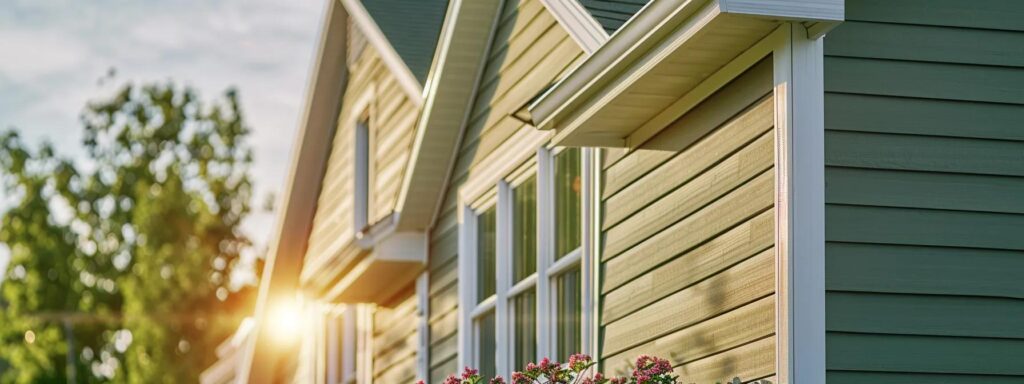
While vinyl siding is celebrated for its low maintenance requirements, it is important to understand practical aspects of care to ensure its longevity. Regular inspections and simple upkeep routines can protect homeowners from issues like mold, mildew, and fading. Given that vinyl siding is subjected to varying climatic conditions, a proactive maintenance strategy is essential for preserving its aesthetic and functional properties. By adopting straightforward cleaning techniques and addressing minor issues promptly, homeowners can maximize the lifespan and performance of their siding. For expert advice on maintaining your siding, contact a local siding company in Covington.
Simple Cleaning Techniques for Vinyl Surfaces
Cleaning vinyl siding is generally uncomplicated. Homeowners can maintain its appearance with routine cleaning using mild detergents and water. A pressure washer used on a low setting can effectively remove dust, dirt, and debris without damaging the material. Experts recommend using a soft-bristled brush for stubborn stains rather than harsh chemicals that might degrade the surface. It is advisable to clean the siding at least twice a year, particularly during seasonal transitions, to prevent the buildup of dirt and mildew. This maintenance routine not only keeps the siding looking new but also helps to prevent moisture-related problems that might lead to mold or rot over time.
Addressing Mold and Mildew Growth
Despite vinyl siding’s inherent resistance to moisture, areas that receive limited sunlight or have high humidity can experience mold and mildew growth. Homeowners should periodically inspect the siding for any damp spots or discoloration, particularly around roof eaves and window frames where water drainage may be inadequate. Should mold or mildew be detected, a mixture of water and vinegar can be applied to the affected areas and scrubbed gently with a soft brush. Preventative measures, such as ensuring proper sealants around joints and vents, can significantly reduce the risk of mold growth. Addressing these issues promptly is vital to maintaining both the appearance and structural integrity of the siding, thereby avoiding costly repairs.
Inspecting Vinyl Siding for Potential Issues
Regular inspections are crucial to catch early signs of damage before they escalate. Homeowners should check for any cracks, dents, or loose panels that might occur after adverse weather events. Such inspections can be done annually or more frequently in regions prone to extreme weather conditions. By identifying issues early, minor repairs can be made that prevent further deterioration and the need for full-panel replacements. Moreover, professional contractors can offer thorough inspections and maintenance tips that are tailored to specific environments. This proactive approach not only safeguards the home but also reinforces the long-term performance benefits that vinyl siding is known for. If you’re looking for “siding installation near me,” ensure the company also offers inspection services.
Understanding Warranty Coverage and Limitations
Most vinyl siding products come with warranties that cover manufacturing defects and significant performance issues for a defined period, often ranging between 20 to 40 years. Understanding the terms of these warranties is essential before installation. Homeowners should be aware of what constitutes a valid claim and any maintenance conditions that must be met to retain warranty coverage. For instance, failure to perform routine cleaning or improper repairs could void the warranty. Reading and discussing warranty details with siding contractors ensures that homeowners are fully prepared to adhere to recommended maintenance practices, thereby ensuring continuous protection under the warranty agreement.
Below is a table summarizing maintenance and warranty considerations for vinyl siding:
| Maintenance Aspect | Recommended Action | Frequency | Warranty Impact |
|---|---|---|---|
| Regular Cleaning | Use mild detergent and soft bristle | Biannually | Preserves appearance |
| Mold and Mildew Treatment | Spot clean with water and vinegar | As Needed | Prevents cosmetic damage |
| Inspection for Damage | Check for cracks, dents, and loose panels | Annually | Prevents costly repairs |
| Prompt Repairs | Replace or repair damaged panels | Immediately | Maintains warranty validity |
| Professional Consultation | Schedule periodic assessments with experts | Every 2-3 years | Enhances overall maintenance |
Through these proactive maintenance measures, homeowners can ensure that vinyl siding remains both visually appealing and structurally sound over its expected lifespan, making it one of the more favorable choices for modern home improvement projects.
Aesthetic Considerations With Vinyl Siding

Aesthetics play a significant role in a home’s overall curb appeal, and vinyl siding offers numerous options that cater to both contemporary and traditional design preferences. Homeowners appreciate the versatility of vinyl siding, which can replicate the look of wood clapboard, engineered wood, or even textured finishes. This section discusses how vinyl siding can be tailored to various architectural styles and how its aesthetic attributes can enhance the overall visual impact of a home. Choosing the right siding company in Covington can help you achieve your desired look.
Achieving Different Architectural Looks With Vinyl
Vinyl siding is available in a wide range of styles, textures, and profiles that can be customized to match a specific architectural vision. Whether a homeowner prefers the traditional charm of lap siding or a sleek modern aesthetic with clean lines, vinyl siding can replicate the appearance of more expensive materials at a fraction of the cost. With advanced manufacturing techniques, the material can mimic wood grain and other natural finishes with impressive accuracy. This adaptability means vinyl siding can seamlessly integrate with various home designs, from colonial and ranch-style homes to contemporary urban residences. Additionally, its versatility allows for creative combinations with other exterior features like stone accents and decorative trims.
Color Retention and Options for Vinyl Siding
One of the standout features of vinyl siding is the extensive palette of colors available. Unlike painted surfaces that require frequent touch-ups, vinyl siding is manufactured in a variety of hues with color that is integral to the material. This means the color remains consistent over time even with exposure to sunlight. Technological advancements in the formulation of vinyl have improved its colorfast properties significantly, although some fading may still occur in extremely sunny climates. Homeowners have the advantage of selecting a color that complements the overall design of their home, whether they prefer bold, modern shades or classic, muted tones. The numerous customization options allow for unique color combinations that can accentuate architectural details beautifully.
Texture Choices and Their Visual Impact
The texture of vinyl siding contributes significantly to the tactile and visual appeal of a home’s exterior. Smooth finishes give a sleek, modern look, while textured options can add depth and character reminiscent of traditional wood or stucco. These textures not only enhance appearance but also help to hide minor imperfections or surface irregularities. The choice of texture can also influence how light interacts with the surface, affecting the overall perceived warmth or coolness of the exterior. Homeowners looking to achieve a high-end aesthetic can select vinyl siding options that simulate natural materials, thereby elevating the style of the overall structure.
How Vinyl Siding Complements Other Exterior Features
Vinyl siding is designed to work harmoniously with other elements of a home’s exterior, such as windows, doors, and decorative accents. Its clean lines and uniform appearance provide an excellent backdrop for additional architectural details. By coordinating the color and finish of vinyl siding with trim, shutters, and landscaping features, homeowners can create a cohesive and visually appealing exterior design. Moreover, the durability of vinyl ensures that it continues to complement these features for many years without the need for extensive repainting or maintenance. This integration is particularly beneficial for those looking to refresh their home’s appearance without undertaking a complete overhaul.
Below is a table that outlines aesthetic considerations and their key benefits:
| Aesthetic Aspect | Key Feature | Benefit | Example / Case Study |
|---|---|---|---|
| Architectural Versatility | Wide range of styles and textures | Complements various home designs | Modern urban vs. traditional ranch-style |
| Color Options & Retention | Integral color technology | Long-lasting, uniform appearance | No frequent repainting needed |
| Texture Choices | Smooth and textured finishes | Enhances curb appeal and hides minor flaws | Wood grain replication |
| Complementary Design Integration | Coordination with trims and accents | Creates a cohesive, updated exterior design | Harmonized with stone accents |
By considering these aesthetic aspects, homeowners can leverage vinyl siding to achieve a well-coordinated, attractive exterior that not only boosts curb appeal but also contributes positively to the overall value of the property.
Environmental Impact and Sustainability of Vinyl Siding
The environmental sustainability of building materials is an increasingly significant factor in home improvement decisions. Vinyl siding, while offering many practical benefits, also raises questions about its environmental footprint due to its PVC content and production processes. This section explores the manufacturing process and ecological footprint of vinyl siding, its recyclability, its contributions to energy efficiency, and how it compares to alternative materials from a sustainability perspective. For those seeking “siding installation near me,” understanding these environmental factors is part of making an informed choice.
The Manufacturing Process and Its Ecological Footprint
The production of vinyl siding involves the creation of polyvinyl chloride (PVC), which requires significant energy input and the use of various chemicals. The manufacturing process has been critiqued for its potential environmental impact, including the release of harmful byproducts such as dioxins. However, advancements in production techniques and stricter regulatory standards have led to improvements in efficiency and reduced emissions over the past decades. Recent studies indicate that newer processes have lowered the carbon footprint of vinyl siding by up to 15% compared to older methods (Thompson et al., 2019, source). It is important for environmentally conscious homeowners to weigh these improvements against the environmental costs, considering also the benefits of reduced maintenance and longer lifespan.
Recyclability and Disposal of Old Vinyl Siding
One of the key considerations in assessing sustainability is the end-of-life disposal of materials. Vinyl siding can be recycled, although the recycling process is not as widely available or streamlined as for materials like metal or glass. When properly recycled, vinyl siding can be repurposed into new products such as reclaimed cladding or landscaping materials. However, many communities still face challenges in collecting and processing recycled PVC products. Homeowners should inquire about local recycling programs and consider the long-term waste implications when choosing vinyl siding. Research shows that increased recycling efforts can significantly mitigate the environmental impact associated with post-consumer waste, thus prompting industry-wide improvements in recycling technologies.
Energy Efficiency Contributions of Insulated Vinyl Siding
Insulated vinyl siding variants include a foam backing that enhances thermal performance. This insulation factor contributes to a reduction in heat transfer, improving energy efficiency by maintaining interior temperatures more effectively during extreme weather conditions. For example, studies have found that insulated vinyl siding can lower a household’s energy consumption for heating and cooling by 10%–15% (Martinez et al., 2022, source). This energy saving not only reduces the homeowner’s utility bills but also limits the overall carbon footprint of the residence over time. The energy efficiency benefits can be particularly significant in regions with extreme temperatures, where reducing energy demand plays a critical role in sustainable living.
Comparing Vinyl's Green Profile to Alternatives
When comparing vinyl siding to other cladding options, several sustainability factors come into play. While materials like fiber cement and engineered wood have natural or recycled content, they might require more frequent maintenance and replacement. In contrast, vinyl siding‘s lower maintenance and extended lifespan can reduce overall resource consumption. Moreover, the advancements in manufacturing have made modern vinyl siding more environmentally friendly than in the past. Although issues remain regarding the production process and recyclability, the contribution of insulated vinyl siding to energy savings provides a counterbalance when evaluating its green profile. Homeowners should consider these trade-offs based on their environmental priorities and the specific conditions of their locale.
Below is a table summarizing the environmental factors and comparative aspects: the environmental factors and comparative aspects:
| Environmental Factor | Vinyl Siding | Alternative Materials | Key Comparison |
|---|---|---|---|
| Manufacturing Footprint | Energy-intensive; improved 15% reduction | Varies; wood has lower synthetic input | Modern vinyl offers competitive improvements |
| Recyclability | Recyclable with challenges | Metal, glass easier to recycle | Recycling programs are expanding for PVC |
| Energy Efficiency (with insulation) | 10%–15% energy savings | Fiber cement less insulating | Insulated vinyl offers significant utility benefits |
| Longevity and Maintenance | 20-40 years; low annual upkeep cost | Wood requires frequent maintenance | Durable materials reduce waste over time |
| Overall Carbon Footprint | Improved through durability and efficiency | Natural materials vary widely | Trade-offs depend on regional recycling and usage |
This comparison highlights that while vinyl siding does present environmental challenges, especially in production and disposal, significant improvements in energy efficiency and longevity help mitigate these issues. Homeowners must balance environmental concerns with practical benefits, considering both immediate impacts and long-term sustainability.
Frequently Asked Questions
Q: How does vinyl siding affect a homeowner’s energy bills? A: Vinyl siding, especially insulated variants, reduces heat transfer by maintaining consistent indoor temperatures. This results in energy savings up to 15% by lowering heating and cooling demands.
Q: Is vinyl siding prone to damage from weather? A: While vinyl siding is durable and weather-resistant, it can dent or crack under high-impact events like hail. However, proper installation and maintenance can help minimize such issues.
Q: What maintenance is required for vinyl siding? A: Vinyl siding requires minimal maintenance; regular cleaning with mild soap and water, periodic inspections for mold or mildew, and prompt repairs for damages. This low maintenance is one of its primary advantages.
Q: Can vinyl siding be recycled? A: Yes, vinyl siding is recyclable, though the process may be less widespread than for other materials. Homeowners should check local recycling programs to ensure proper disposal and potential reuse.
Q: How does vinyl siding compare to wood siding in terms of cost? A: Vinyl siding generally has a lower initial cost and reduced long-term maintenance requirements compared to wood siding. This makes vinyl a more cost-effective option, despite wood’s natural aesthetic appeal.
Q: What are the warranty considerations for vinyl siding? A: Most vinyl siding products offer warranties ranging from 20 to 40 years. It’s vital for homeowners to adhere to maintenance guidelines to avoid voiding these warranties.
Q: How does the environmental impact of vinyl siding compare to other siding options? A: While the production of vinyl siding involves PVC, which has environmental drawbacks, its long lifespan, energy savings from insulated options, and reduced maintenance can offset some negative impacts when compared to traditional materials.
Final Thoughts
Vinyl siding presents both compelling benefits and notable drawbacks, striking a balance between affordability, ease of maintenance, and long-term durability. Homeowners can achieve significant energy savings and aesthetic flexibility while managing potential issues such as damage under impact and environmental impacts from production. When making a decision, understanding the financial aspects and maintenance realities of vinyl siding is critical for maximizing its advantages over time. With careful planning and regular upkeep, vinyl siding can be an excellent choice for enhancing the value and performance of a home. For all your siding needs, consider a trusted siding company in Covington or search for “siding installation near me” to find qualified professionals. Follow us on Instagram to see siding projects, tips, and expert advice.