
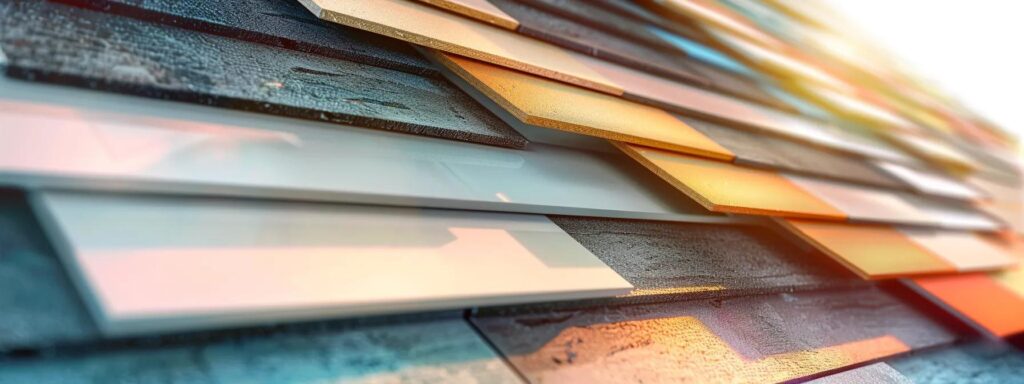
Cost-Effective Roofing Solutions for Your Home
Cost-Effective Roofers help homeowners find the right balance between quality, durability, and budget, whether they need affordable residential roofing services, affordable roofing contractor services, or commercial roofing services. A strong roofing system boosts energy efficiency, protects against harsh weather, and increases property value. In Southeast Louisiana, cost-effective solutions and peak gutter installation have become essential for reducing storm damage and long-term maintenance. With over 20 years of experience, our experts share trusted insights to help you choose durable materials, smart installation methods, and reliable contractors for lasting results.
Understanding True Value in Home Roofing Solutions
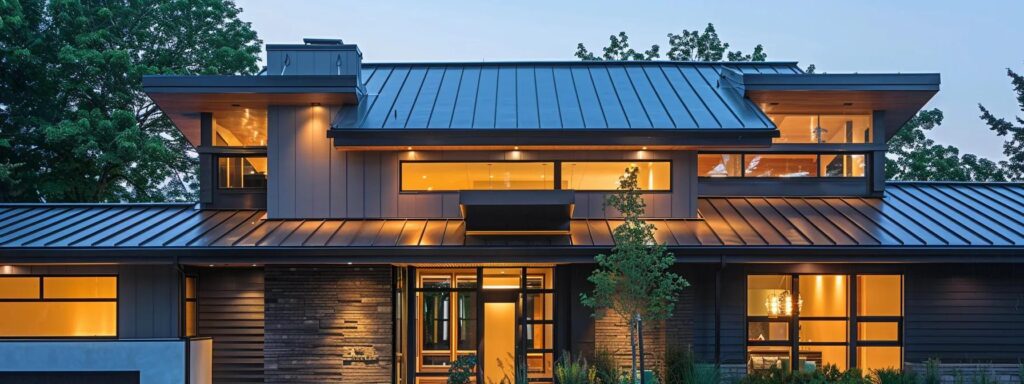
The true value of a roofing solution extends beyond its initial purchase price. Homeowners must consider both the upfront investment and the long-term benefits that a roof provides. Balancing these two financial components is critical as it impacts future repair needs, maintenance frequency, and, ultimately, the overall durability of the roof. In regions prone to extreme weather, such as southeast Louisiana, a well-installed and maintained roof can reduce storm damage and energy loss, contributing to lower monthly utility bills.
Balancing Upfront Investment With Long-Term Durability
A roof that comes with a higher initial cost might offer significant durability benefits compared to cheaper alternatives that require frequent repairs. Detailed cost-benefit analyses and long-term studies (e.g., research by Smith et al., 2021, available at ResearchGate) have demonstrated that roofing systems designed for longevity can reduce the need for repairs by up to 30% over their lifetime. Investment in high-quality materials such as metal or engineered composite shingles not only protects against wear and tear but also enhances aesthetic appeal. For example, metal roofing has been noted for its low maintenance requirements and stellar lifespan, while high-quality asphalt shingles, when installed correctly, balance cost with performance. Durable roofing also contributes to lower insurance premiums, given the reduced probability of incurring significant damage in adverse weather. A roof that comes with a higher initial cost might offer significant durability benefits compared to cheaper alternatives that require frequent repairs. Detailed cost-benefit analyses and long-term studies (e.g., research by Smith et al., 2021, available at ResearchGate) have demonstrated that roofing systems designed for longevity can reduce the need for repairs by up to 30% over their lifetime. Investment in high-quality materials such as metal or engineered composite shingles not only protects against wear and tear but also enhances aesthetic appeal. For example, metal roofing has been noted for its low maintenance requirements and stellar lifespan, while high-quality asphalt shingles, when installed correctly, balance cost with performance. Durable roofing also contributes to lower insurance premiums due to the reduced risk of major damage during severe weather. For real project proof and ongoing updates, visit our Instagram.
How Energy-Efficient Roofs Reduce Ongoing Household Expenses
Energy-efficient roofing helps in reducing the overall energy consumption of a home by reflecting sunlight and regulating interior temperatures. By incorporating reflective coatings and insulating layers, roofs can lower the thermal load on HVAC systems. Studies published in the Journal of Building Performance Simulation (Lee et al., 2019) have indicated that energy-efficient roofs can decrease cooling costs by up to 20% in warmer climates. Homeowners can see substantial savings during the summer, as these roofs mitigate heat absorption, thereby reducing the strain on air conditioning units. Moreover, energy-efficient designs contribute to a greener environment, aligning with both global sustainability trends and local green roof initiatives.
Assessing Potential Repair Needs for Different Roofing Materials
The repair frequency and associated costs vary significantly across roofing materials. For instance, while wood shakes offer an aesthetically pleasing and natural look, they are susceptible to wear, moisture, and termite damage unless properly maintained. On the other hand, concrete or clay tiles may provide excellent durability but require precise installation to avoid leaks. Maintenance guides typically recommend routine inspections, especially for roofs with flashing, as these areas tend to develop issues over time if not adequately sealed. By understanding repair patterns and scheduling regular check-ups, homeowners can preempt costly damages and extend the roof’s overall lifespan.
The Impact of Local Climate on Economical Roof Choices
Local climate plays a critical role in determining which roofing materials perform best. In areas with high humidity and torrential rains, such as southeast Louisiana, choosing materials resistant to moisture and mildew is essential. For hotter climates, materials with excellent heat reflectivity are preferred. Roofing systems exposed to extreme wind or storm conditions require additional reinforcement. A comprehensive study by the National Roofing Contractors Association (NRCA, 2020) highlighted that regions prone to hurricanes benefit from impact-resistant roofs that minimize the risk of wind damage and reduce storm-related insurance claims. This regional sensitivity is crucial when selecting a roof that balances cost with performance.
Evaluating Warranty Coverage for Peace of Mind
Warranty is a critical facet of assessing roofing value that influences both the upfront decision and long-term maintenance strategy. A robust warranty can be indicative of a manufacturer’s confidence in the material’s durability. Homeowners should carefully review warranty terms, including coverage for storm damage, material defects, and labor costs. Industry leaders offer extended warranties that sometimes cover up to 50 years, providing additional assurance against premature deterioration. Furthermore, thorough documentation and professional installation can ensure that warranty claims are honored, ultimately protecting the homeowner’s investment over time.
Key Takeaways: – Upfront costs must be weighed against long-term durability and reduced repair expenses. – Energy-efficient roofs lower household energy bills by reflecting heat. – Material choices should align with local climate challenges for optimal performance. – A robust warranty provides essential long-term peace of mind.
Selecting Budget-Friendly Roofing Materials for Your Residence
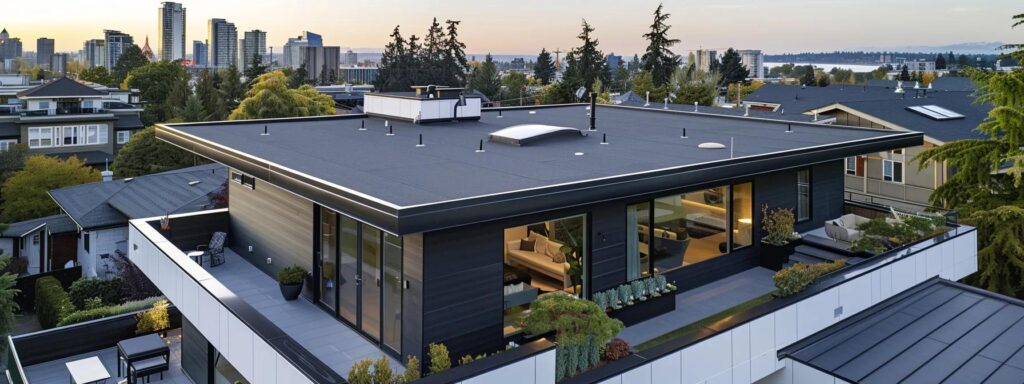
When selecting roofing materials, cost-effective options are available that do not compromise on performance or aesthetics. Homeowners must explore materials that provide a reliable balance between affordability and sustainability. The selection process begins with understanding the properties of various materials, including asphalt shingles, metal roofing, and composite options, each offering specific benefits and challenges. Expert roofing is essential for a successful project.
Asphalt Shingles a Popular and Economical Roofing Choice
Asphalt shingles remain one of the most widely used roofing materials due to their affordability and ease of installation. They typically come with manufacturer warranties ranging from 20 to 30 years. Asphalt shingles are resistant to wind and moderate impacts, making them a staple in residential construction. Recent advancements have led to the development of architectural asphalt shingles, which not only improve durability but also enhance the overall visual appeal of the home. Maintenance requirements are minimal, and their color variety allows for customization to fit any style. Further, formulated with bitumen and mineral granules, asphalt shingles help protect against UV rays and heavy heat exposure.
Metal Roofing Benefits for Longevity and Minimal Upkeep
Metal roofs are gaining popularity as a sustainable and cost-effective roofing solution. Although the initial cost is higher than asphalt, metal roofing is known for its longevity, often lasting over 50 years with proper maintenance. Their resistance to extreme weather conditions, including heavy storms and high winds, makes them ideal for regions prone to hurricanes. Additionally, metal roofs are fully recyclable, enhancing their appeal as an environmentally friendly option. Their reflective properties reduce heat absorption, thereby improving energy efficiency and lowering cooling costs in hot climates. The durability of metal roofing minimizes repair needs, translating into long-term savings despite the higher upfront investment.
Architectural Shingles an Affordable Upgrade for Aesthetic Appeal
Architectural shingles provide an excellent compromise between traditional asphalt shingles and higher-end materials. Designed with enhanced dimensionality, these shingles offer superior aesthetics and improved impact resistance. They often come in a variety of textures and colors, making them a versatile choice for homeowners looking to boost curb appeal at an affordable cost. Architectural shingles also tend to be heavier and more robust than standard asphalt options, offering greater resistance to wind uplift and storm damage. Their installation is similar to traditional shingles, ensuring that the overall project remains budget-friendly while delivering an upscale appearance.
Exploring Composite Materials for Cost and Performance
Composite roofing materials, which incorporate a blend of fiber and polymer, have emerged as a popular choice for cost-conscious homeowners. These products are engineered for high performance, with enhanced durability and resistance to wear, cracking, and fading. Composite shingles often mimic the look of slate or wood at a fraction of the cost, thereby providing a high-end appearance while maintaining affordability. Their lightweight nature aids in simpler installation, reducing labor costs. In addition, composite materials are engineered to be sustainable and energy-efficient, requiring minimal maintenance over their lifespan.
Considering Clay or Concrete Tiles in Specific Regions
While clay or concrete tiles tend to be more expensive than asphalt, they offer significant benefits in areas with specific climatic conditions. These materials are highly durable, resistant to fire, and perform well in hot climates by providing natural insulation. In regions with low rainfall, concrete tiles can effectively prevent moisture intrusion, whereas clay tiles provide natural cooling effects. Their longevity often exceeds 50 years, reducing the need for early roof replacement. Though upfront costs may be higher, the reduced lifecycle cost, coupled with increased property value, often makes these tiles a worthy investment for the right applications.
Key Takeaways: – Asphalt shingles are a cost-effective solution with a balance of performance and ease of installation. – Metal roofs, though requiring a higher initial investment, provide unmatched longevity and energy savings. – Architectural shingles and composite materials offer aesthetic enhancements at affordable prices. – Clay and concrete tiles, while region-specific, deliver superior durability and insulation.
Smart Strategies for Lowering Roof Installation and Replacement Costs
Cost management in roofing projects goes far beyond material selection – strategic planning during the installation phase can significantly reduce expenses. Lowering installation and replacement costs requires a multifaceted approach involving careful contractor selection, accurate quotes, and smart project timing.
Securing Multiple Detailed Quotes From Vetted Roofing Professionals
One of the most effective strategies to drive down roof installation and replacement costs is to solicit multiple detailed quotes from local roofing professionals. By comparing at least three separate bids, homeowners can pinpoint price discrepancies, negotiate better deals, and avoid potential hidden costs. It is essential to evaluate the contractor’s credentials, including licensing, insurance, and customer testimonials. Comprehensive quotes should list all materials, labor, and contingencies, ensuring transparency. Competitive bidding not only results in cost savings but also fosters a sense of trust that the work will be done to high industry standards.
Timing Your Roofing Project for Potential Off-Season Savings
Roofing projects often become cheaper during the off-season when demand is lower. Contractors may offer reduced rates during winter months or periods after the peak storm season. By planning the repair or replacement during these periods, homeowners can save up to 15% compared to peak season pricing. This timing strategy is particularly effective in regions where roofing demand is cyclical. Furthermore, the negotiation leverage increases as contractors look to secure work during slower periods. This cost strategy is validated by market trends observed by industry analysts, demonstrating that strategic scheduling can lead to significant budget relief.
Preparing the Work Area to Minimize Contractor Labor Time
Minimizing labor costs is another key tactic for lowering overall roofing expenses. Homeowners can prepare the work area to facilitate a smoother installation process by clearing vehicles, trimming overhanging trees, and organizing loose items around the property. A well-prepared site enables contractors to work more efficiently, reducing the overall time required to complete the project. This readiness not only enhances safety but also allows contractors to adhere to a strict timeline, which can contribute to a lower hourly labor cost. When the job site is organized, the risk of unexpected delays decreases, which further minimizes expenses.
Understanding Material Grades and Their Price Points
Roofing materials come in varying grades, with price points that directly correlate to their performance and durability. It is essential to understand the difference between premium and standard grades to make an informed decision. Premium materials often come with extended warranties and enhanced resistance to storm damage and UV exposure, but at a higher cost. Conversely, mid-grade materials may offer acceptable durability while staying within budget. Homeowners should request detailed pricing breakdowns from suppliers to ensure they are comparing similar product qualities. Over time, the lifecycle cost of a higher-grade material can prove less expensive when maintenance and repair frequency are taken into account. Expert roofing is essential for ensuring the longevity and efficiency of your roofing materials.
Asking About Package Deals or Material Sourcing Advantages
Contractors often have exclusive relationships with material suppliers that allow them to secure lower prices on bulk orders. By discussing package deals and material sourcing advantages, homeowners can benefit from reduced overall project costs. Some contractors bundle additional services such as waste disposal or expedited delivery at a discount, enhancing value. It is advisable to have in-depth discussions with roofing professionals about these potential savings before signing a contract. Transparency in pricing, combined with knowing the market rates for roofing materials, can lead to notable cost reductions at both the material and labor levels.
Key Takeaways: – Obtain multiple detailed quotes to ensure competitive pricing and transparency. – Schedule roofing projects during off-peak seasons to capitalize on reduced rates. – Prepare your work area in advance to minimize labor time and related costs. – Understand different material grades and leverage package deals to reduce expenses.
Maintaining Your Roof for Maximum Cost Effectiveness
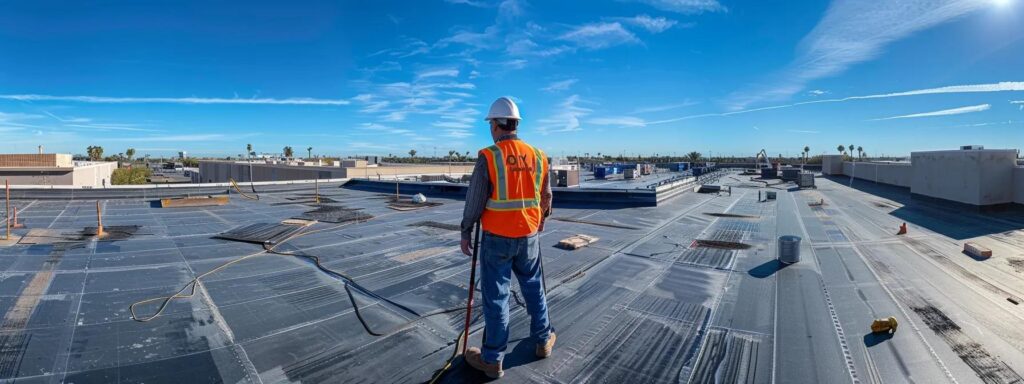
Long-term roof maintenance is vital to ensuring that a roofing system remains effective and cost efficient over its lifespan. Regular inspections, prompt repairs, and preventive measures contribute significantly to extending the life of a roof, ultimately saving homeowners time and money. Proper maintenance addresses minor issues before they evolve into costly repairs, ensuring that the overall investment in the roof continues to yield returns in performance and aesthetic appeal.
Performing Regular Visual Inspections From the Ground
Homeowners are encouraged to conduct regular visual inspections of their roofs from the ground or through the use of a ladder when safety permits. Routine checks help identify early signs of wear, such as missing or curled shingles, discoloration near flashing, or debris accumulation. A proactive inspection schedule, ideally twice a year and after severe weather events, can detect minor issues before they cause significant damage. Regular inspections provide a clear maintenance roadmap and allow homeowners to schedule timely repairs, which can prevent water damage and reduce the need for extensive roof replacements.
Keeping Gutters and Downspouts Free of Debris
Ensuring that gutters and downspouts are clear is a fundamental aspect of roof maintenance. Clogged gutters can cause water overflow, which may lead to underlayment damage, mold, and structural issues. Homeowners should clean these components at least twice a year to remove accumulated leaves, twigs, and other debris. Effective gutter maintenance not only safeguards the roofing system but also ensures that proper drainage is maintained, reducing the risk of water infiltration and ice dam formation during colder months. A well-maintained drainage system is essential for mitigating adverse effects from heavy storms and seasonal temperature fluctuations.
Addressing Small Issues Promptly to Avert Larger Expenses
The adage “a stitch in time saves nine” is particularly applicable to roof maintenance. Addressing minor issues such as loose flashing, small leaks, or early signs of wear can prevent these problems from escalating into major repairs. Timely interventions, whether performed by the homeowner in simple cases or a professional contractor for more technical issues, contribute significantly to prolonging the roof’s lifespan. By scheduling seasonal maintenance and regular check-ups, homeowners can avoid unexpected and costly repairs that could otherwise lead to complete roof replacement.
Understanding the Lifespan of Your Chosen Roofing Material
Different roofing materials come with varying lifespans. For instance, asphalt shingles typically last 20–30 years, while metal roofing can exceed 50 years under optimal conditions. Understanding these performance metrics is crucial for budgeting for future repairs or replacements. Manufacturers often provide warranty information that reflects the expected durability of the product. Homeowners who understand their material’s expected lifespan can plan maintenance efforts accordingly and gauge the long-term financial viability of their roofing investment.
Scheduling Professional Check-Ups After Severe Weather
After storms or periods of heavy rainfall, it is prudent to schedule a professional roof inspection. Expert assessments can reveal damage that may not be visible from the ground and facilitate early intervention, thereby preventing further deterioration. Professionals are trained to identify subtle indicators of stress, such as the misalignment of shingles or minor leaks, which might be overlooked during routine self-inspections. Regular professional evaluations, coupled with prompt repair responses, maximize the roof’s cost effectiveness over time while also maintaining the structural integrity of the home.
Key Takeaways: – Routine visual inspections catch early signs of wear before they become costly. – Keeping gutters clean ensures proper drainage and prevents water damage. – Prompt repair of minor issues can extend the roof’s overall lifespan. – Know your roof’s material lifespan to plan timely maintenance and check-ups post-severe weather.
Analyzing Long-Term Financial Benefits of Roofing Choices

Investing in a high-quality roofing system presents significant long-term financial benefits. Not only does a durable roof boost property value, but it also reduces ongoing maintenance expenses and enhances energy efficiency. Homeowners who consider the complete cost of ownership—including installation, maintenance, and replacement—can make choices that yield substantial economic returns over multiple decades.
How Quality Roofing Contributes to Overall Property Value
A high-quality roof is one of the primary factors influencing a property’s market value. Potential buyers and appraisers often view roofing as a critical indicator of overall home maintenance. Homes with durable and aesthetically appealing roofs tend to command higher resale prices and sell faster in competitive markets. For instance, a study by the American Society of Appraisers (ASA, 2018) demonstrated that a new roof installation can increase a property’s value by 5–10%. This appreciation is partly due to reduced future repair costs, improved energy efficiency, and enhanced curb appeal. Investing in quality roofing is, therefore, not just a matter of protection but also a strategic financial decision.
Calculating the Total Cost of Ownership Over Decades
Total cost of ownership (TCO) of a roofing system incorporates all direct and indirect costs over its lifespan—from installation and routine maintenance to eventual replacement and repair expenses. Financial models have shown that even if the initial cost of a premium roof is higher, the TCO is lower over 50 years compared to cheaper alternatives with shorter lifespans. For example, energy-efficient metal roofs often have lower long-term costs due to their longevity and reduced maintenance needs. Homeowners are encouraged to compute the TCO by factoring in potential energy savings, reduced insurance premiums, and fewer emergency repairs.
The Financial Upside of Reduced Maintenance Requirements
A roof with low maintenance requirements translates into fewer repair visits, minimized labor costs, and reduced disruption to household activities. Roofing materials that are engineered to handle extreme weather conditions or resist moisture contribute significantly to lowering upkeep expenses. Reduced maintenance also means that there is a lesser risk of recurring minor issues evolving into major structural concerns. Studies from the Construction Research Council (2020) indicate that high-quality roofing systems can reduce unforeseen repair incidents by nearly 25%, which directly impacts the long-term financial sustainability of the home. expert roofing systems can reduce unforeseen repair incidents by nearly 25%, which directly impacts the long-term financial sustainability of the home.
Insurance Premium Considerations for Impact-Resistant Roofing
Insurance premiums for residential properties are greatly influenced by the roof’s resilience against extreme weather events, such as high winds, hail, and storm surges. Impact-resistant roofing materials can secure lower premiums by demonstrating a reduced risk profile. Some insurers offer discounts of up to 15% for homes equipped with certified impact-resistant roofs, as validated by recent research from the Insurance Institute for Business & Home Safety (IBHS, 2021). Homeowners can leverage these incentives to recoup some of the higher upfront costs associated with premium materials, thereby improving the roof’s overall cost effectiveness.
Comparing the Lifespan of Various Cost Effective Roofing Solutions
When comparing different roofing options, it is essential to consider both the initial investment and the expected lifespan. For example, while asphalt shingles may cost less upfront, metal roofs offer a longer lifespan and typically require fewer repairs. A comparative table can illustrate these differences clearly by aligning each material with its average lifespan, maintenance frequency, and cost metrics. Such side-by-side comparisons help homeowners make data-driven decisions that optimize long-term financial returns.
| Roofing Material | Average Lifespan | Annual Maintenance Cost | Energy Efficiency Benefit | Estimated Increase in Property Value |
|---|---|---|---|---|
| Asphalt Shingles | 20–30 years | Moderate | Moderate | 5–7% |
| Metal Roofing | 40–50+ years | Low | High | 8–10% |
| Architectural Shingles | 25–35 years | Moderate | Moderate | 6–8% |
| Composite Roofing | 30–40 years | Low to Moderate | High | 7–9% |
| Clay/Concrete Tiles | 50+ years | Low | High | 9–12% |
The above table summarizes the key differences among popular roofing materials. Each option varies in terms of lifespan, maintenance costs, and long-term financial benefits. This detailed comparison underscores the importance of considering total cost of ownership, which can ultimately lead to more cost-effective choices and higher returns on investment.
Key Takeaways: – Quality roofs directly boost property value and marketability. – Total cost of ownership analysis reveals long-term savings, even with higher initial investments. – Impact-resistant roofs can secure significant insurance premium discounts. – Comparative evaluations enable homeowners to choose the most financially sound roofing solution.
Finding a Reliable Contractor for Your Affordable Roofing Project
Choosing the right roofing contractor is as essential as selecting the roofing material itself. A reliable contractor not only ensures quality craftsmanship but also helps manage the overall project cost through transparency, efficiency, and expertise. With over two decades of experience in the roofing industry, our experts emphasize that the selection process should involve careful verification of credentials, thorough examinations of past work, and clear communication of project expectations.
Checking Local Credentials and Customer Testimonials
Before hiring a contractor, verifying local credentials is crucial. Licensing and insurance are non-negotiable parameters that protect homeowners against potential liabilities and ensure that the work meets local building codes. In addition, customer testimonials and case studies provide insights into the contractor’s workmanship and reliability. Platforms such as the Better Business Bureau (BBB) and local review sites can offer valuable feedback and real-world insights about the contractor’s performance. By doing so, homeowners mitigate risks and ensure that the roofing project is undertaken by experienced professionals who are well-regarded in the community.
Ensuring Proper Licensing and Full Insurance Coverage
Proper licensing and comprehensive insurance coverage are essential components of contractor selection. Contractors should be able to provide proof of worker’s compensation, liability insurance, and the appropriate state or municipal licenses. This not only safeguards the homeowner’s property during the installation process but also provides peace of mind in the event of any unforeseen incidents. Full insurance coverage ensures that any accidents or damages that occur during the roofing process are adequately covered, protecting the homeowner from potential financial losses.
Requesting a Clear Written Contract Outlining All Terms
A clear written contract is fundamental to a smooth roofing project. The contract should explicitly detail the scope of work, materials to be used, project timeline, payment schedule, and procedures for changes or unforeseen circumstances. A comprehensive contract reduces the chance of misunderstandings and disputes by setting clear expectations at the outset. Homeowners should review these terms carefully and may even consider hiring a legal expert to evaluate the contract before signing. A transparent contract results in more efficient project management and timely completion.
Discussing Waste Disposal and Site Clean-Up Procedures
Roofing projects produce significant waste material, including old roofing debris, packaging, and any unused materials. It is essential that the contractor includes a well-defined plan for waste disposal and site clean-up in the contract. An organized site not only contributes to safety but also reflects the professional standards of the contractor. Homeowners should discuss these procedures in detail, ensuring that proper waste management practices are in place. This minimizes disruption and helps maintain a clean work environment throughout the project duration.
Clarifying Payment Schedules and Financing Options
Clear communication regarding payment schedules and available financing options can significantly reduce stress during a roofing project. Homeowners should request a payment plan that aligns with major project milestones rather than large upfront payments. Contractors might offer flexible financing or package deals that can further reduce the immediate financial burden. Ensuring that both parties agree on the payment terms in advance creates a transparent and mutually beneficial arrangement, paving the way for high-quality workmanship without unexpected financial complications.
Key Takeaways: – Research local credentials and customer reviews to ensure contractor reliability. – Verify that contractors possess proper licensing and comprehensive insurance. – A detailed written contract prevents misunderstandings and sets clear project expectations. – Transparent waste disposal and payment schedules contribute to smoother project execution.
Frequently Asked Questions
Q: How do energy-efficient roofs reduce home energy costs? A: Energy-efficient roofs use reflective coatings and thermal insulation to reduce heat absorption, lowering cooling costs by up to 20%. By reflecting sunlight and maintaining cooler interior temperatures, these roofs significantly decrease the workload on HVAC systems.
Q: What are the advantages of metal roofing compared to asphalt shingles? A: Metal roofing has a longer lifespan, typically lasting over 50 years, with minimal maintenance requirements. It offers superior resistance to extreme weather, improved energy efficiency due to its reflective properties, and lower overall repair costs, which can justify its higher initial price.
Q: How often should homeowners inspect their roofs for damage? A: It is recommended to inspect roofs at least twice a year and after severe weather events. Regular inspections help identify early signs of wear, such as loose shingles, gutter blockages, or minor leaks, allowing for prompt repairs that prevent larger and costlier issues.
Q: What factors should be considered when choosing roofing materials? A: Homeowners should consider material durability, maintenance requirements, local climate conditions, installation costs, and future replacement expenses. Additionally, warranty coverage and potential insurance premium reductions are important financial considerations.
Q: How can homeowners ensure they are hiring a reliable roofing contractor? A: Verify the contractor’s licensing, insurance, and credentials through local review platforms and the Better Business Bureau. Obtain multiple detailed quotes, request a clear written contract outlining all project terms, and review past customer testimonials to ensure high-quality workmanship.
Q: What is the significance of warranty coverage on a new roof? A: A robust warranty provides assurance that the roofing material will perform as expected over its lifespan. It offers protection against manufacturing defects and storm-related damages, reducing the financial risk associated with unforeseen repair costs.
Q: Are composite roofing materials a good cost-effective solution? A: Yes, composite roofing materials combine durability, aesthetic appeal, and affordability. They mimic the appearance of high-end materials like slate or wood but come at a lower price, making them a viable cost-effective solution that also offers energy efficiency and low maintenance needs.
Final Thoughts
In conclusion, selecting the right roofing solution involves careful consideration of both upfront costs and long-term benefits. Homeowners can achieve cost-effective and durable roofs by choosing materials that align with their regional climate and maintenance capacity. By securing competitive quotes, scheduling projects during off-peak seasons, and hiring reputable contractors, the total cost of ownership is minimized while adding significant value to the home. Embracing these best practices ensures enhanced performance, reduced maintenance expenses, and increased overall property appeal.