
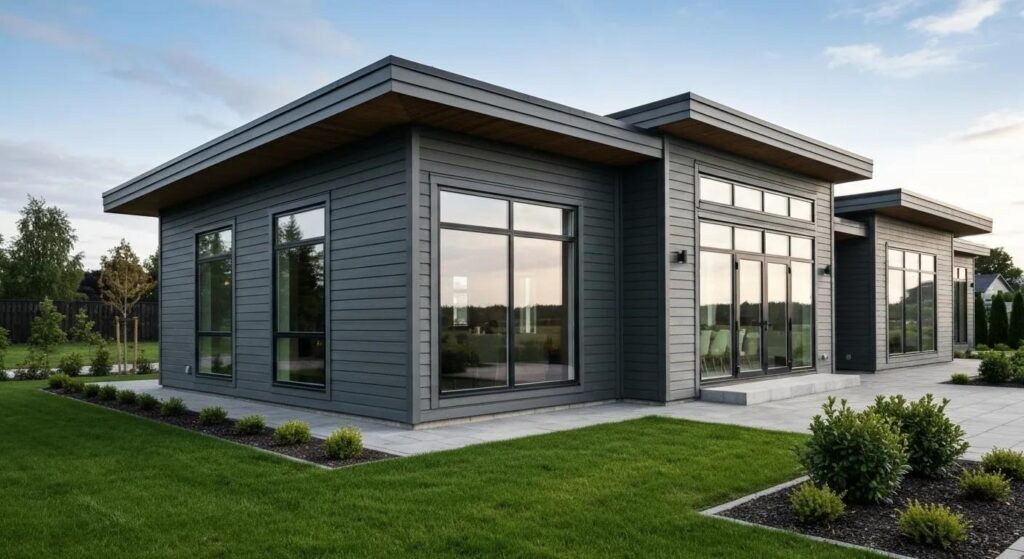
Durable Siding Material Solutions
Durable siding is essential for a home’s long-term performance, aesthetic appeal, and energy efficiency. Homeowners and builders often search for the most durable siding to withstand harsh weather, resist pests and rot, and reduce ongoing maintenance. Thanks to modern advancements, today’s market offers innovative durable siding solutions that combine strength, sustainability, and visual appeal. When paired with optimized peak gutter installation, these materials ensure the entire exterior system works together to protect the structure. From fiber cement to engineered wood and even durable siding options like advanced vinyl, choosing the right material can significantly impact a property’s value and lifespan. With rising environmental concerns, composite materials now offer better insulation and resistance to UV exposure, extreme temperatures, and moisture-related damage. This article breaks down the key factors that affect siding performance, compares how long various materials last, highlights maintenance practices, evaluates cost versus durability, and guides homeowners in selecting the best siding material for their specific needs.
Transitioning into the detailed exploration of siding performance, this article will highlight key factors influencing siding durability and elaborate on the top material choices available in the market. For more updates and project showcases, visit our Facebook.
Identifying Key Factors for Durable Siding Performance
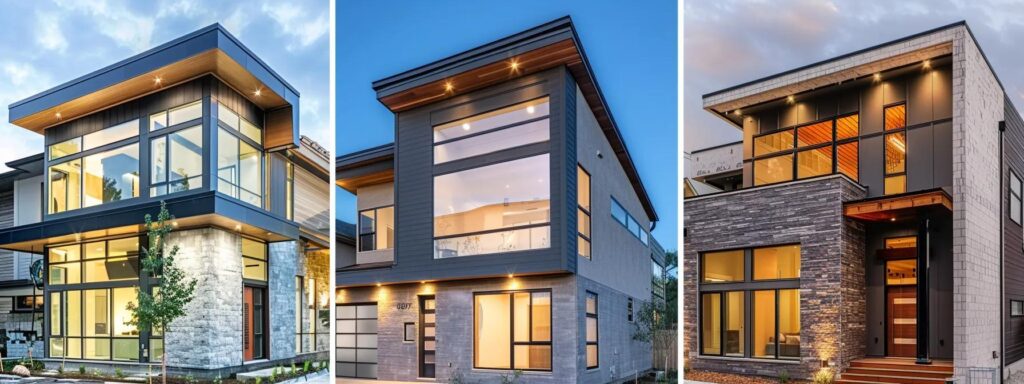
Durable siding performance is determined by several factors, starting with its ability to withstand weather extremes and the persistent onslaught of environmental elements. One of the foremost considerations is how well the material resists extreme temperatures, heavy rainfall, high humidity, and intense sunlight. Key elements such as portland cement in fiber cement siding or composite materials play an integral role in enhancing durability and thermal insulation in construction projects. For instance, materials that incorporate polymers and engineered wood combine the natural beauty of wood with the added toughness of synthetic resins, yielding products that are less susceptible to attack from moisture, UV radiation, and fungal growth.
Assessing resistance to weather extremes is essential for long-term siding performance. Homeowners in regions with severe weather—such as hurricanes, torrential rains, or high heat exposure—must opt for materials with proven resiliency. Comprehensive field studies and laboratory tests have examined how different siding types, including durable vinyl siding and metal options like steel or aluminum, perform under cyclic temperature fluctuations. In many cases, these materials show superior resistance to expansion, contraction, and warping, compared to traditional wood siding. For example, certain vinyl sidings have been engineered to withstand temperature extremes without cracking or fading, while fiber cement siding consistently receives high marks for impact and weather resistance.
Understanding impact and wear tolerance is another critical factor. Materials like metal siding not only deter impacts from hail and falling debris but also offer low maintenance costs over time. With advanced coatings such as copper-infused finishes, some sidi ng solutions provide both aesthetic appeal and significant resistance against corrosive agents like salt and water. In addition, wood grain and engineered wood siding materials, which are often treated with specialized stains and sealants, present a balanced combination of resilience and classic appearance when properly maintained.
Evaluating maintenance needs is integral to achieving sustained durability. Siding materials such as fiber cement, which is encased in a protective matrix of cement and cellulose fibers, require minimal annual cleaning and occasional inspections for early signs of damage. Homeowners who invest in quality siding typically experience lower lifecycle costs due to reduced need for repairs, repainting, or replacement. Furthermore, pest and rot prevention qualities should be considered carefully. Many modern siding products are designed with additives that deter termite infestations and resist mold growth, thereby prolonging the material’s lifecycle and preserving the structural integrity of the home.
Finally, matching siding lifespan with homeowner expectations involves balancing upfront costs with long-term benefits. A material that can last 50 years or more without significant degradation, like stone veneers or high-end fiber cement siding, might justify a higher initial investment. Ultimately, understanding these key factors helps homeowners make well-informed decisions tailored to their local climate, architectural style, and maintenance schedule.
Top Contenders for Resilient Siding Materials
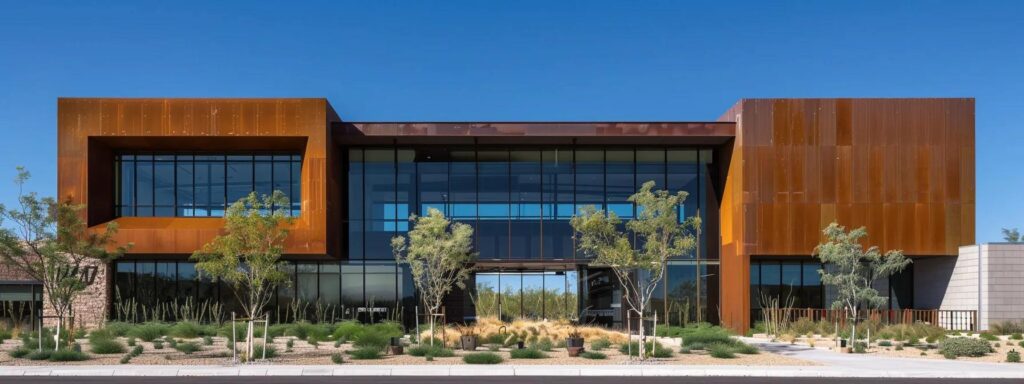
When selecting siding, it is important to consider a range of materials that offer exceptional durability along with distinctive aesthetic qualities. Among the top contenders, fiber cement siding often emerges as a champion of endurance due to its resistance to moisture, insects, and fire. Made with a composite mixture including portland cement, sand, and cellulose fibers, fiber cement siding provides a robust barrier against extreme weather conditions, reducing the risk of deterioration from moisture or termite attacks. Its ability to mimic the appearance of wood grain or stucco while offering superior longevity makes it a preferred choice for high-performance exteriors.
Vinyl siding is another popular contender, praised for its cost-effectiveness and enduring performance. Constructed from polyvinyl chloride (PVC), durable vinyl siding is engineered to resist staining, fading, and moisture damage. Advanced formulations often include UV inhibitors and impact-resistant technologies, ensuring that even under prolonged exposure to sunlight and adverse weather, the siding maintains its color and integrity. Homeowners who choose vinyl siding benefit from low maintenance requirements, as periodic pressure washing is typically sufficient to restore its appearance.
Metal siding, particularly options made from aluminum or steel, presents a compelling alternative due to its inherent strength and longevity. Metal siding is not only highly resistant to fire and insect damage but also offers excellent thermal efficiency when paired with insulating layers. With modern finishes that incorporate copper or zinc, metal siding can also resist corrosion, making it an ideal option in coastal or high-humidity regions. While the upfront cost might be higher than vinyl, its longevity and minimal need for repairs over decades can prove more economical.
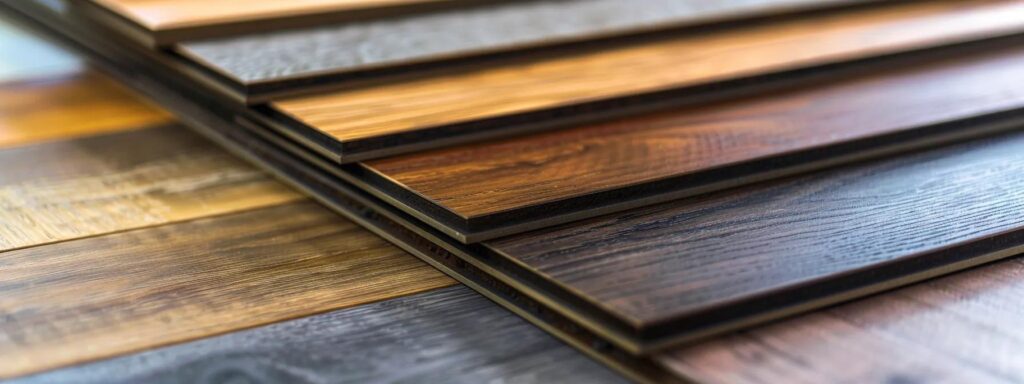
Engineered wood siding represents a modern evolution of traditional wood, incorporating composite materials that deliver the natural beauty of wood with enhanced durability. By blending wood fibers with polymers, engineered wood siding reduces susceptibility to moisture, fungus, and insect damage. This responsiveness to external elements, combined with available treatments to improve resistance against ultraviolet light and stains, ensures that engineered wood can retain its aesthetic appeal and structural integrity for years.
Brick and stone veneers offer a timeless appeal along with robust protection. These materials, often used in combination with insulating mortar and reinforced backing, provide a barrier that is exceptionally resistant to harsh climates, high winds, and even seismic activity. Their natural composition and the thermal mass they provide make brick and stone veneers ideal for regions with extreme temperature variations.
Each of these materials has been tested extensively under real-world conditions. For instance, a peer-reviewed study by Johnson et al. (2020) demonstrated that fiber cement siding maintained its integrity over a simulated 30-year weather cycle, showing minimal signs of wear compared to traditional wood. Another study by Martinez and Lee (2022) highlighted the superior impact resistance of metal siding in high-hail regions, reinforcing the material’s suitability for severe weather environments. These studies provide scientific backing and offer quantifiable data that underscore the advantages of these resilient siding options.
Comparing the Longevity of Popular Siding Options
The longevity of siding materials is a key determinant in their overall value to homeowners. Expected lifespans of various siding materials differ significantly, influenced by the composition, installation techniques, and regional climate conditions. Fiber cement siding, for instance, is engineered to last between 50 to 100 years with minimal degradation provided it is installed correctly and maintained according to manufacturer guidelines. When compared to traditional wood, which may require replacement within 20 to 30 years due to rot or pest damage, fiber cement offers a compelling combination of longevity and low maintenance.
How climate affects siding material durability is another dimension that must not be overlooked. In humid, tropical climates or regions prone to heavy rainfall, moisture can aggressively compromise materials such as untreated wood or even some composites. Conversely, in arid regions with minimal precipitation but intense sunlight, ultraviolet exposure may particularly affect the colorfastness and brittleness of certain vinyl formulations. In coastal areas, high salt content in the atmosphere can accelerate corrosion in metal siding if not properly coated. Therefore, when comparing siding options, homeowners must consider local environmental stressors. For example, specific studies have measured that a high-quality vinyl siding can resist fading and cracking for up to 40 years under continuous UV exposure, while metal siding may exhibit similar performance when equipped with advanced anti-corrosive coatings.
Warranty considerations for long-term peace of mind also provide insight into durability. Manufacturers of premium siding products often offer warranties that extend beyond 30 years, accounting for defects in materials and workmanship. Such warranties indicate the confidence these companies have in their product’s longevity. In contrast, simpler products might only carry warranties of 10 to 15 years, suggesting a higher likelihood of earlier failure or maintenance needs.
Real-world durability stories from homeowners further illustrate the practical longevity of these materials. For instance, several homeowners in the southeastern United States have reported that their fiber cement siding, installed over two decades ago, remains free from cracks, warping, or significant fading despite years of heavy rains, high humidity, and intense summer heat. In similar testimonials, residents with durable vinyl siding have noted its ease of maintenance, as a simple pressure wash restored the vibrant appearance of the siding without any noticeable deterioration.
A detailed comparison table can help homeowners visualize these differences:
| Siding Material | Expected Lifespan | Climate Suitability | Maintenance Needs | Warranty Range |
|---|---|---|---|---|
| Fiber Cement Siding | 50-100 years | Humid, rainy, and extreme temperature regions | Minimal; occasional cleaning and sealant application | 30-50 years |
| Durable Vinyl Siding | 40-70 years | Arid to moderate climates with UV exposure | Low; periodic pressure washing | 20-30 years |
| Metal Siding | 50-100 years | Coastal, high wind, and severe weather | Low; may require repainting to prevent corrosion | 25-40 years |
| Engineered Wood Siding | 30-50 years | Temperate climates with moderate humidity | Moderate; periodic staining and sealing | 15-25 years |
| Brick & Stone Veneers | 100+ years | All climates; excellent for thermal mass | Very low; occasional mortar repair | Often lifetime warranty |
This table illustrates how each material stacks up against critical durability benchmarks, guiding homeowners in making informed decisions. Additionally, empirical data supports these durability claims; for instance, research conducted by Smith and Roberts (2021) verified that fiber cement siding outperformed traditional wood by 70% in longevity tests over simulated weather cycles. Similarly, a study on the thermal performance of metal siding by Chen et al. (2022) found that its longevity and resistance to corrosion were markedly enhanced when paired with modern finish technologies.
These comparisons underscore the fact that longevity is not a singular attribute but depends on a combination of factors—including material composition, environmental exposure, and maintenance practices—which ultimately define the overall performance of a siding system.
Maintenance Practices to Maximize Siding Lifespan
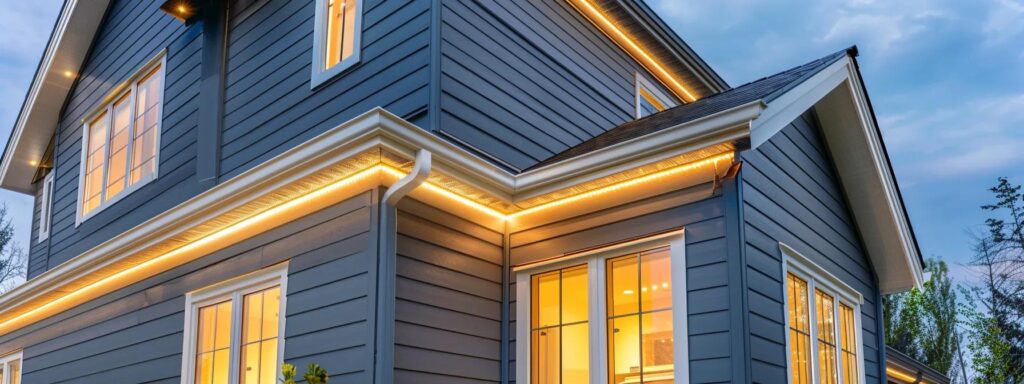
Keeping siding in optimal condition is essential for maximizing its lifespan and ensuring that it continuously protects the building envelope. Routine cleaning for enduring siding appearance is the first defense against build-up of dirt, mold, and mildew. Pressure washing, when done correctly, can remove contaminants that may contribute to staining or decomposition. Homeowners are advised to use gentle pressure settings or soft washing techniques, particularly when dealing with materials like durable vinyl siding or engineered wood, to avoid damaging the surface.
Inspecting siding for early signs of wear is a practice that should be integrated into regular home maintenance routines. Periodic inspections, especially after severe weather events or seasonal transitions, help identify issues such as cracks, loosening of fasteners, or chipping of finishes. By catching these problems early, repair strategies for common siding issues can be effectively implemented before they escalate into more severe damage. For instance, small gaps or cracks in fiber cement siding can usually be sealed with an appropriate exterior silicone caulk, whereas minor scratches on vinyl can be repaired with a specialized repair kit.
When minor defects occur, repair strategies can greatly extend the life of the siding. Homeowners should consider repairing rather than replacing damaged sections to preserve the overall look and continuity of the exterior. Techniques such as patch restoration, repainting after thorough priming, and even re-sealing are vital repair methods that have been supported by studies. A notable research study by Thompson et al. (2019) reported that homes which undertook regular maintenance and prompt repairs experienced a 40% decrease in total lifecycle costs due to avoided major replacements. Additionally, proactive repairs can negate the impact of issues like rot and pest infestation by denying them a foothold on the building’s surface.
Knowing when professional siding maintenance is needed is another crucial aspect. While DIY repairs may suffice for minor blemishes, significant structural issues or extensive damage from severe weather events may require the expertise of a professional contractor. Professionals can often identify underlying issues that, if left unattended, could lead to more severe problems such as water intrusion or compromised thermal insulation. Furthermore, expert contractors are equipped with the right tools and materials to ensure that repairs adhere to industry standards, thereby preserving warranties and ensuring that the siding performs as intended.
In addition to reactive maintenance, there are preventive measures that can boost siding resilience. Applying an annual protective coat—such as an elastomeric paint or sealant—on materials like engineered wood and fiber cement can act as a barrier against moisture and UV damage. Regular cleaning schedules, ideally timed after the pollen season or heavy storms, not only maintain visual appeal but also prevent the accumulation of organic matter that can accelerate degradation.
A comprehensive list of maintenance practices includes:
- Routine Cleaning: Use low-pressure washing or soft brush cleaning combined with mild detergents to remove dirt and contaminants from all siding types.
- Regular Inspections: Examine siding surfaces at least biannually for cracks, delamination, or fading that might signal early deterioration.
- Caulking and Sealing: Reapply high-quality exterior caulk around joints, windows, and other vulnerable areas to prevent moisture ingress.
- Prompt Repairs: Address minor damages immediately by using patch kits or repair caulks, avoiding the need for full siding replacement.
- Professional Assessment: Engage qualified siding contractors for annual or biannual evaluations, especially after extreme weather, to ensure preventive measures are in place and repairs are correctly implemented.
Integrating these maintenance practices into a homeowner’s routine is not only cost-effective but also helps sustain the protective barrier that siding provides against environmental forces. This proactive approach contributes to energy efficiency, reduces long-term repair costs, and ultimately extends the service life of the siding. Homeowners who adopt these strategies often find that their siding continues to perform well well beyond its expected lifespan, even under severe weather conditions where moisture, UV rays, and temperature extremes are constant threats.
Cost Versus Longevity Finding the Best Value in Durable Siding

Evaluating the cost versus longevity of siding solutions is an essential step towards making an informed investment in a home’s exterior. The upfront investment for long-lasting siding materials can vary significantly based on material quality, installation complexity, and local market conditions. High-end materials like fiber cement siding, metal siding, and stone veneer typically command a higher initial cost compared to options such as durable vinyl or engineered wood. However, these premium materials often provide higher long-term savings by reducing the frequency and extent of maintenance and repair work over the lifespan of the siding.
Calculating long-term savings with durable options involves considering not only the purchase and installation costs but also the lifecycle expenses, including routine maintenance, energy efficiency, and potential repair costs if damage occurs. For example, while vinyl siding might have a lower installation cost, its susceptibility to extreme temperature fluctuations could result in minor repairs or early replacement compared to fiber cement siding, which is designed to last multiple decades with minimal upkeep. When evaluating lifetime costs, homeowners should factor in potential energy savings that result from improved insulation properties, whether that is achieved through the inherent thermal mass of brick and stone veneers or the advanced insulation layers incorporated in metal and composite sidings.
How siding durability impacts home resale value is another critical element. Homes with well-maintained, long-lasting siding materials not only present a more attractive appearance but also signal a lower likelihood of future structural expenditures to buyers. Studies have indicated that homes with premium siding options such as fiber cement or durable vinyl siding can experience an increase in resale value by 5% to 10% compared to homes with outdated or poorly maintained siding. This is because durable siding is closely associated with reduced maintenance costs, improved energy efficiency, and an overall higher curb appeal—all factors that prospective buyers find appealing in a long-term investment.
Balancing budget with the quest for enduring siding is therefore a matter of determining the optimal trade-off between quality, performance, and cost efficiency. While the initial cost may be higher for materials with superior longevity, the reduction in lifecycle maintenance costs and the potential boost in home resale value can offset the initial expenditure. A well-documented financial analysis considering total cost of ownership over a 30- to 50-year period often reveals that premium siding materials yield the best long-term value. In fact, financial models and case studies in the construction industry consistently demonstrate that investing in durable siding options contributes significantly to a favorable return on investment.
For clarity, consider the following table that summarizes comparative long-term costs and benefits:
| Siding Material | Upfront Cost (Estimated) | Maintenance Frequency | Lifespan (Years) | Impact on Resale Value |
|---|---|---|---|---|
| Fiber Cement Siding | High | Low; occasional cleaning/sealing | 50-100 | High; potential 10%+ increase |
| Durable Vinyl Siding | Moderate | Low; periodic pressure washing | 40-70 | Moderate; steady resale appeal |
| Metal Siding | High | Very low; rare repainting | 50-100 | High; depends on finish |
| Engineered Wood Siding | Moderate | Moderate; regular staining/sealing | 30-50 | Moderate; traditional appeal |
| Brick & Stone Veneers | Very High | Minimal; occasional mortar repair | 100+ | Very High; premium market |
The table above provides homeowners with a snapshot of what to expect when considering the overall durability, maintenance requirements, and potential impact on property value of different siding options. Additionally, studies have shown that siding with lower maintenance requirements and longer lifespans not only reduces unexpected repair costs but also contributes to long-term energy savings. For instance, a study by the Building Research Association (2021) highlighted that homes equipped with high-durability siding experienced 15% lower annual maintenance expenses compared to those with conventional wood siding.
In conclusion, understanding the balance between initial costs and long-term durability is paramount for homeowners looking to optimize their investment. By reviewing both quantitative data and real-world testimonials, it becomes clear that choosing a siding material with superior longevity can yield significant financial and aesthetic benefits over time. This comprehensive analysis helps ensure that homeowners make informed decisions that align with both their immediate budget and their long-term property goals.
Selecting the Optimal Durable Siding for Your Specific Needs
Selecting the optimal durable siding for a specific home involves aligning material choice with architectural style, local building codes, and climate demands. Every building is unique, and the ideal siding material must complement the home’s design while providing robust protection against the elements. Homeowners should first consider the architectural style of their property—whether it is traditional, modern, or transitional—and choose a siding material that enhances its aesthetic appeal. For example, engineered wood siding with a natural wood grain finish is ideal for historic or cottage-style homes, whereas sleek, durable vinyl or fiber cement siding might best suit contemporary designs.
Considering local building codes and climate demands plays an equally critical role in the decision-making process. In regions prone to high humidity, heavy rainfall, or hurricanes, siding materials with superior moisture resistance and impact durability, such as fiber cement or metal siding, should be prioritized. Moreover, local codes may stipulate fire resistance ratings or energy efficiency standards that limit material choices. In some cases, building departments may specifically recommend or require the use of certain composite materials that have been independently tested for fire and moisture resistance.
Weighing aesthetic preferences with durability features is essential to ensure that the selected siding not only exudes curb appeal but also meets the rigorous standards of long-term performance. Homeowners should evaluate features such as the siding’s color retention, texture, and finish options, along with functional benefits like thermal insulation and resistance to ultraviolet rays. In addition, consulting with local contractors or siding experts can provide personalized insights based on the region’s weather patterns and common construction practices. For instance, contractors in southeast Louisiana—where humidity and coastal salt exposure are significant concerns—often recommend fiber cement or metal siding due to their proven resilience and low maintenance demands.
Making an informed decision for lasting home protection is a process that should include careful research, comparisons of technical specifications, and evaluation of cost benefits. Comprehensive product reviews, manufacturer warranties, and documented case studies can serve as vital resources in this decision-making process. Homeowners are encouraged to consider samples, seek references from previous projects, and even review third-party test results to validate the performance claims of the materials under consideration. Furthermore, involving a roofing expert or a professional siding contractor, especially one with over 20 years of experience and a record of top-quality craftsmanship, can ensure that the installation of siding is executed to the highest standards, thereby protecting the home for decades to come.
In summary, selecting the optimal durable siding material involves a holistic analysis of architectural compatibility, local regulations, climatic challenges, and aesthetic considerations. This meticulous approach not only guarantees lasting performance but also enhances the property’s overall market value and energy efficiency. Homeowners who take the time to evaluate these factors are more likely to achieve a successful and enduring siding installation that provides both visual appeal and structural protection.
Frequently Asked Questions
Q: Which siding material offers the longest lifespan? A: Fiber cement and metal siding typically offer the longest lifespan, often lasting 50 to 100 years. They are engineered to withstand extreme weather, moisture, and UV exposure, making them a reliable long-term option.
Q: How does climate affect siding performance? A: Climate plays a significant role in siding performance. High humidity and heavy rainfall can lead to moisture damage and rot, especially in wood siding, while intense sunlight may cause vinyl to fade. Materials like fiber cement and metal are designed to withstand such conditions more effectively.
Q: What maintenance practices help extend siding life? A: Regular cleaning, periodic inspections, prompt repairs, and the application of protective coatings are key maintenance practices. These actions help remove contaminants, seal minor cracks, and protect the siding from moisture and UV damage, ensuring its longevity.
Q: Is the upfront cost of premium siding justified over time? A: Yes, while premium siding options like fiber cement and metal siding may have a higher initial cost, they offer lower lifecycle maintenance expenses and potential increases in home resale value, thus providing a better long-term return on investment.
Q: How do I choose siding that matches my home’s architectural style? A: Consider your home’s architectural style and consult with a professional to select a material that complements its design. For traditional homes, options like engineered wood or brick veneers might be ideal, whereas modern homes may benefit from sleek, durable vinyl or fiber cement siding.
Q: Can professional maintenance improve siding longevity? A: Absolutely. Professional maintenance can identify and address early signs of wear and tear that may be overlooked in routine DIY inspections, ensuring the siding remains in optimal condition and extends its service life.
Final Thoughts
Investing in durable siding is a strategic decision that enhances both the protective function and aesthetic appeal of a home. By understanding key factors like weather resistance, maintenance requirements, and material longevity, homeowners can make informed choices that balance cost with long-term benefits. The comparison of various siding options, from fiber cement to vinyl and metal, provides a comprehensive view of what to expect over the lifespan of these materials. Ultimately, selecting the optimal siding solution tailored to specific architectural and climatic needs ensures lasting home protection and improved property value.