
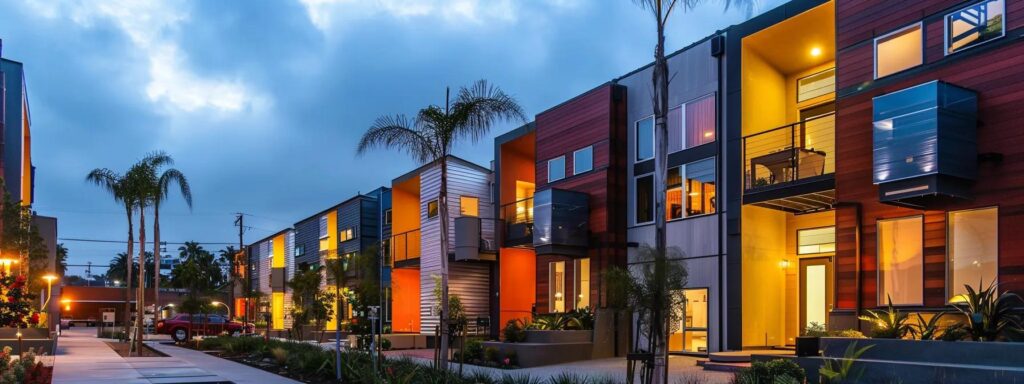
Eco-Friendly Siding Materials: Sustainable Choices for Your Home
Eco-friendly siding materials are transforming home construction by offering sustainable, attractive, and long-lasting choices that outperform many traditional house siding materials. As climate change and resource depletion continue to influence building practices, siding has become a major focus for homeowners and developers aiming to reduce their carbon footprint. Sustainable building options such as reclaimed lumber, fiber cement siding, and recycled metals help minimize waste and support renewable energy initiatives. When paired with proper siding installation, these materials also improve water management and overall home efficiency.
Modern eco-friendly siding undergoes rigorous durability testing to ensure it withstands extreme weather while maintaining its aesthetic appeal. Choosing materials aligned with green building standards, such as those recognized by the Forest Stewardship Council, allows homeowners to support pollution control and resource efficiency while achieving a stylish, contemporary exterior. As the industry continues to evolve, synthetic siding materials and advanced types of siding materials have expanded the range of sustainable options available.
The market for environmentally friendly siding continues to grow alongside regulatory shifts and rising consumer awareness about recycling efficiency and pollutant emissions. Green construction not only supports environmental stewardship but also increases property value by improving energy performance and long-term durability. This article explores the lifecycle impacts, sustainable material options, and long-term advantages of eco-friendly siding, offering clear guidance on material selection and installation techniques. The following sections break down the most reliable, environmentally conscious siding options available to homeowners and local businesses today.
Defining Environmentally Conscious Siding Options
Environmental sustainability in siding means choosing materials that minimize waste, reduce energy consumption, and lower greenhouse gas emissions. Eco-friendly siding options often incorporate recycled content, natural fibers, or reclaimed resources that replace traditional, pollutant-heavy building materials. In addition, these materials are prized for reducing the overall carbon footprint associated with manufacturing and transportation. For instance, siding components made from reclaimed wood or recycled metals not only repurpose scrap materials but support sustainable forestry initiatives and modern recycling practices. The efficiency in production and installation of such materials also minimizes construction waste, and often comes with extended warranties owing to their proven longevity and durability. Check out our latest eco-friendly siding transformations on Instagram.
What Qualifies Siding as an Eco-Friendly Material Choice
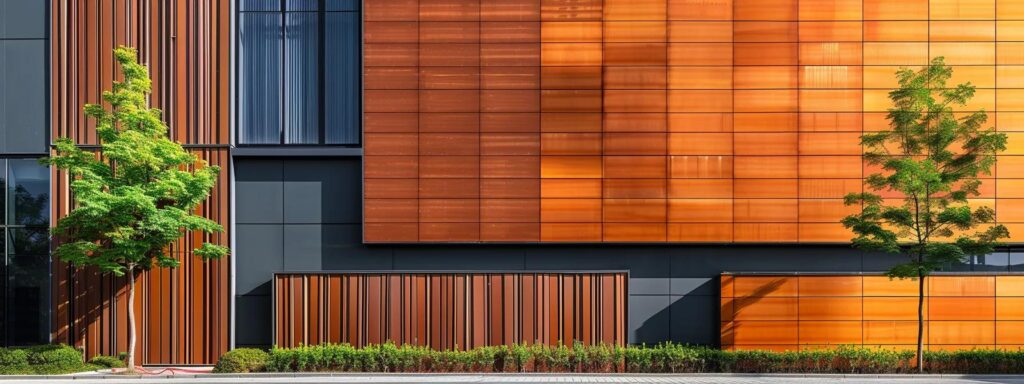
Eco-friendly siding is defined by several key characteristics, including the use of renewable resources, low emissions during production, and minimal impact on air and water quality. These materials are produced with low volatile organic compound (VOC) emissions, meaning they release fewer pollutants during application and over the lifetime of the building. Many sustainable siding options, such as fiber cement or reclaimed wood, are manufactured using processes that limit toxic chemical use and promote recycling. For example, engineered wood siding uses resin and cellulose fibers while the manufacturing process recycles off-cuts and scrap materials. Additionally, sustainability assessments often include factors like energy efficiency in manufacturing, transport emissions, and end-of-life recyclability. Builders often look for certifications from recognized organizations that confirm the product meets strict environmental guidelines.
Moreover, eco-friendly siding must prove durability under extreme weather conditions, reducing the need for frequent repairs or replacements. This longevity contributes to lower overall consumption and waste, supporting a circular economy. When integrated into a green building strategy, environmentally conscious siding optimizes thermal performance, reducing both heating and cooling demands. Homeowners can thereby achieve improved energy conservation and lower utility bills, while contributing to a lower ecological footprint. Advanced research, such as studies published in the Journal of Cleaner Production and Building and Environment, shows that innovative siding options can reduce greenhouse gas emissions and promote sustainable development in the construction industry.
The Lifecycle Impact of Sustainable Siding Selections
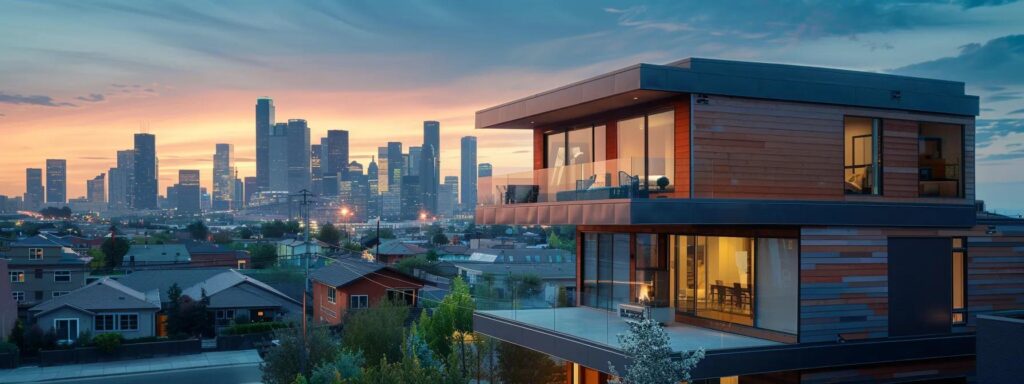
Lifecycle analysis (LCA) of sustainable siding evaluates the environmental impact from raw material extraction to manufacturing, distribution, installation, use, and end-of-life disposal. For example, siding made from recycled aluminum exhibits low energy demand during production and can often be recycled again at the end of its service life. By comparison, traditional vinyl siding, made from polyvinyl chloride (PVC), tends to have higher levels of toxic emissions during production and disposal. Material selection that includes reclaimed lumber or fiber cement siding also reduces waste and landfill accumulation, while promoting increased energy efficiency during installation and maintenance. siding installation
Studies have quantified these benefits; one peer-reviewed study by Asif, Muneer, and Kelley (2007) reported that building materials with high recycled content and low embodied energy can reduce total greenhouse gas emissions by up to 30% compared to conventional materials. Another study in the Journal of Industrial Ecology (2015) revealed that utilizing reclaimed wood siding can save approximately 40% of the energy required for production, illustrating significant benefits over virgin lumber extraction. These studies highlight the value of considering the full lifecycle impact when selecting siding materials, ensuring that choices made today will benefit the environment for decades to come.
Furthermore, sustainable siding selections are increasingly being supported by modern building codes and green building incentives. Energy-efficient materials often qualify for rebates and tax credits, further offsetting the upfront costs associated with eco-friendly construction. The economic and environmental advantages of reduced moisture absorption, improved insulation properties, and long-term efficiency combine to incentivize more homeowners to opt for sustainable materials. Ultimately, the lifecycle impact analysis reinforces the value of eco-friendly siding in achieving both environmental stewardship and long-term economic savings.
Recycled Content in Green Siding Products
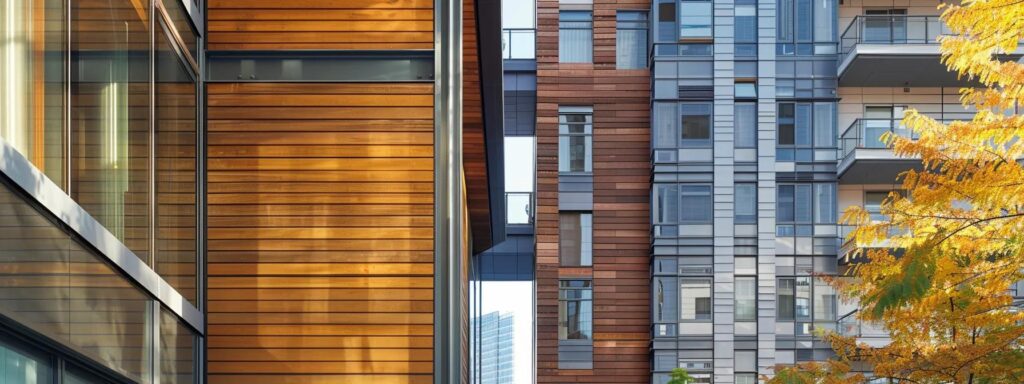
Many green siding products incorporate high percentages of recycled material. Reclaimed wood siding, for instance, is sourced from old barns, warehouses, or recycled lumber, which preserves the natural beauty of wood while mitigating the need for new resources. Metal siding options made from recycled aluminum prioritize energy efficiency by requiring significantly less energy to manufacture compared to new metal production. Additionally, fiber cement siding can include recycled cellulose fibers and other reclaimed materials, reducing the energy demand and cost of raw material extraction.
The incorporation of recycled content not only lessens the environmental impact associated with raw material extraction but also reduces landfill waste by diverting scrap and discarded materials into viable construction products. Such recycling practices are supported by initiatives like the Forest Stewardship Council (FSC), which certifies wood products for sustainable management. When recycled materials are used, manufacturers often provide detailed breakdowns in their environmental product declarations (EPDs), ensuring transparency about energy consumption, emissions, and waste reduction.
Economic benefits also arise from using recycled content; recycled siding products can be more cost-competitive due to lower raw material costs. This creates an opportunity for widespread adoption among local business and homeowners aiming to reduce expenses while supporting green construction initiatives. In terms of performance, recycled siding materials have been proven to offer comparable durability and aesthetic appeal to their conventional counterparts. As research in environmental science and construction technology progresses, the role of recycled content in reducing ecological footprints continues to gain credibility and popularity among consumers looking for eco-friendly alternatives.
Low-Voc Emissions From Eco-Conscious Siding
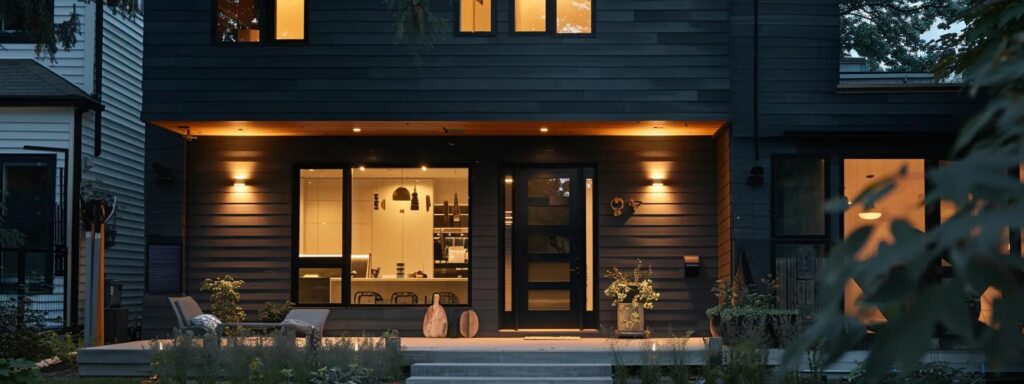
Low-VOC (volatile organic compound) emissions are a hallmark of environmentally friendly siding products. VOCs are pollutants released from the production, application, and aging of building materials and can contribute to indoor air pollution and adverse health effects. Eco-conscious siding minimizes these emissions through the use of non-toxic admixtures, water-based coatings, and refined manufacturing processes that reduce the reliance on harmful chemicals. For example, modern fiber cement siding is formulated to release substantially lower VOCs compared to traditional vinyl siding, which can emit pollutants throughout its service life.
Extensive testing and certification programs, such as those by GREENGUARD and LEED, verify that low-VOC products are both healthy for occupants and environmentally responsible. Lower VOC levels contribute to a safer and more breathable indoor environment, which is particularly important for sensitive groups such as children and those with respiratory conditions. Furthermore, with increasing regulatory focus on reducing pollutant emissions from building materials, manufacturers are investing in technologies that ensure compliance with stringent air quality standards while maintaining durability and performance.
In addition to improved indoor air quality, low-VOC siding contributes to the overall reduction of environmental pollutants that contribute to smog formation and greenhouse gas emissions. Comprehensive studies indicate that buildings incorporating low-VOC materials can reduce overall indoor air pollutants by up to 50%, leading to significant public health benefits. While the upfront cost of low-VOC materials might be marginally higher, the long-term benefits in health, sustainability, and compliance with environmental regulations make them a prudent investment for conscientious homeowners and businesses.
Certifications Identifying Sustainable Siding Materials
Certifications play a crucial role in verifying the sustainability and environmental performance of siding materials. Homeowners and builders rely on independent certification programs to confirm that products meet rigorous environmental standards, from energy efficiency and low emissions to recycled content and responsible sourcing. Leading certifications include those provided by the Forest Stewardship Council (FSC) for wood products, GREENGUARD for low-emission products, and ENERGY STAR for energy-efficient materials. These certifications provide assurance that the materials selected are both sustainable and safe for long-term use in home siding installations.
Manufacturers often highlight these certifications on product labels and marketing materials, giving consumers transparency into the environmental impacts and benefits of their choices. Such third-party validations are essential for supporting claims of reduced ecological footprint and energy conservation. For instance, products certified by the FSC ensure that wood is harvested in a manner that sustains forest ecosystems, supporting renewable resource management and biodiversity. Similarly, ENERGY STAR certification ensures that siding materials contribute to lower energy consumption and improved thermal efficiency, which is critical in reducing greenhouse gas emissions during the building’s lifecycle.
Beyond the environmental benefits, certification also supports a market shift towards increased consumer demand for green building products. As public awareness of issues related to landfill waste, air pollution, and climate change grows, certifications serve as a critical tool in guiding consumers towards products that meet comprehensive sustainability criteria. By choosing certified eco-friendly siding options, homeowners not only achieve superior performance and long-term durability but also contribute to broader environmental stewardship, aligning with global conservation efforts and sustainable construction practices.
Top Eco-Friendly Siding Material Choices for Residences
As sustainability becomes a core consideration in residential construction, a variety of eco-friendly siding materials have emerged as viable options. These choices not only enhance the appearance of a home but also improve energy efficiency, reduce maintenance costs, and contribute to a reduced carbon footprint. Homeowners now have the option to select siding solutions that prioritize environmental performance while also offering aesthetic appeal and durability. From reclaimed wood to innovative fiber cement products, these materials represent a significant shift away from pollutant-heavy traditional siding options. siding installation
Reclaimed Wood Siding a Rustic and Green Option
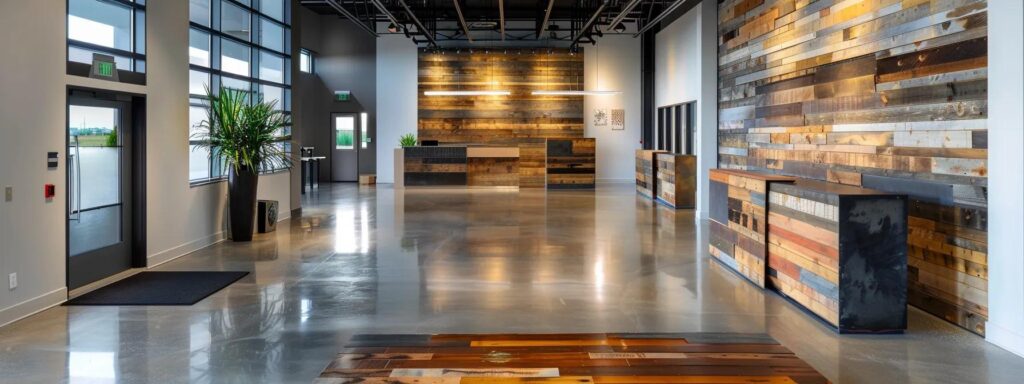
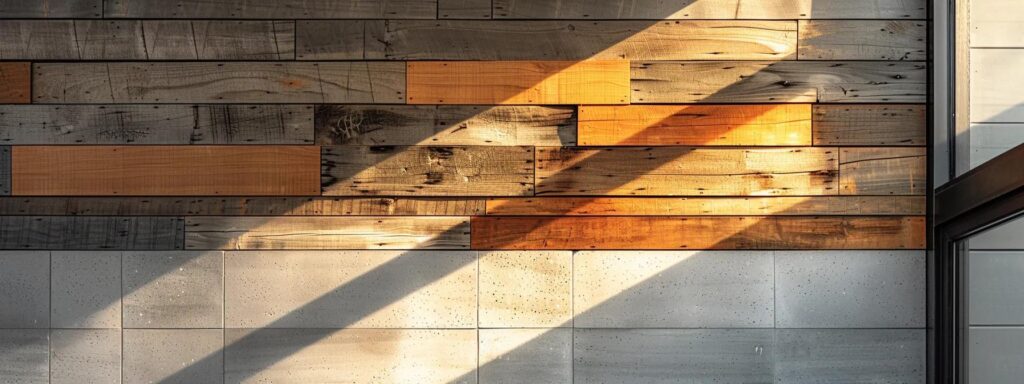
Reclaimed wood siding harnesses the natural beauty and durability of previously used wood from old barns, warehouses, or deconstructed homes. This option eliminates the need for new lumber, thereby supporting sustainable forestry initiatives and reducing deforestation. By repurposing wood that would otherwise be discarded as scrap, reclaimed wood siding effectively lowers the carbon footprint associated with building material consumption. It is an environmentally friendly choice that provides a distinctive rustic look, enhanced by weathered textures and natural color variations.
Reclaimed wood siding also offers excellent insulation properties, which help in reducing energy consumption by maintaining indoor temperature efficiency. The use of reclaimed wood minimizes waste and supports recycling practices, as these materials are reintroduced into the construction cycle rather than ending up in landfills. Homeowners opting for reclaimed wood siding are also likely to benefit from improved air quality since untreated reclaimed wood typically has low VOC emissions compared to newly processed lumber. The process of reclaiming wood not only preserves the historical character of the material but also generates a unique architectural feature that sets a residence apart.
Durability is enhanced by modern sealing techniques and low-emission finishes that protect reclaimed wood siding from moisture and environmental damage. Many suppliers of reclaimed wood offer robust warranties, ensuring that the benefits of this sustainable material extend over a long period. As a result, reclaimed wood siding is ideal for those seeking a combination of eco-friendly performance, aesthetic appeal, and long-term economic efficiency.
Engineered Wood Offers Sustainability and Durability
Engineered wood siding combines wood fibers with resins to produce a material that is not only sustainable but also highly resilient to moisture, pests, and extreme weather. This method of production uses less lumber than traditional wood siding by incorporating recycled wood fibers, thus conserving natural resources and reducing waste. Engineered wood is designed for durability and long-term performance, often surpassing that of natural wood by resisting warping, cracking, and decay.
From an energy conservation perspective, engineered wood siding is manufactured through processes that optimize efficiency, decrease carbon dioxide emissions, and support renewable energy usage. These benefits are compounded by its ease of installation and minimal maintenance requirements, making it a cost-effective solution over the lifespan of the home. In addition, engineered wood siding is often designed with low-VOC finishes that further reduce the overall environmental impact and improve indoor air quality. siding installation is one of the services we provide to enhance your home’s efficiency.
A key advantage of engineered wood siding is its consistent performance in various climates, ensuring reliable insulation and moisture control that translates to improved energy efficiency. Studies have shown that houses with engineered wood sidings have reduced heat loss, contributing to lower heating and cooling costs. This siding option also appeals to modern design trends by offering a uniform, sleek appearance that can be painted or stained to match diverse architectural styles. Its blend of sustainability and resilience makes engineered wood an optimal choice for homeowners concerned with environmental impact and long-term durability.
Fiber Cement Siding a Long-Lasting Eco Material Choice
Fiber cement siding is a composite material made from cement, sand, and cellulose fibers that results in an exceptionally durable and fire-resistant siding solution. Recognized for its long lifespan and minimal maintenance requirements, fiber cement siding is increasingly favored for its environmental benefits. The material’s production process has evolved to reduce energy consumption and greenhouse gas emissions, and many manufacturers utilize recycled content and environmentally responsible practices. Its resistance to moisture, rot, and insect infestation contributes to energy conservation by improving a building’s overall insulation effectiveness.
Notably, fiber cement siding is celebrated for its ability to mimic the aesthetic qualities of traditional wood while eliminating many of its environmental drawbacks. With low VOC emissions and minimal reliance on toxic chemicals during manufacturing, this siding choice contributes significantly to healthier indoor air quality and reduced pollutant exposure. Its resistance to extreme weather conditions ensures that it maintains its integrity in the face of climate change-related challenges. In regions prone to hurricanes or heavy rainfall, fiber cement provides exceptional protection, reducing repair costs and contributing to long-term sustainability.
The cost-effectiveness of fiber cement siding is also reflected in its extended warranty periods and reduced lifecycle costs, making it an economically viable option for eco-conscious homeowners. Detailed lifecycle assessments have demonstrated that fiber cement siding can reduce the overall ecological footprint of a home, further reinforcing its role as a leading sustainable building material. Its compatibility with various colors and textures ensures that it can be seamlessly integrated into modern architectural designs while supporting energy efficiency and environmental stewardship.
Natural Stone Veneer an Enduring Sustainable Selection
Natural stone veneer offers homeowners an opportunity to achieve the timeless beauty of stone without the environmental costs associated with full-scale stone construction. This siding option features thin slices of natural stone affixed to a substrate, dramatically reducing the quantity of material required while still delivering a high-end, durable finish. Stone veneer is renowned for its longevity, thermal mass, and resistance to moisture, which makes it an excellent insulator that contributes to energy conservation. The production process often involves salvaging stone from quarries with sustainable practices, minimizing waste and promoting recycling in the manufacturing process.
The aesthetic versatility of natural stone veneer enables homeowners to configure unique, visually appealing exteriors that are environmentally friendly due to their long service life. By significantly reducing the need for frequent replacement or repair, natural stone veneer contributes to a lower lifecycle energy footprint and decreased building waste. Its thermal properties enhance energy efficiency by moderating indoor temperature fluctuations, particularly in regions experiencing extreme weather conditions. Furthermore, stone veneer is impervious to common pollutants, ensuring that the environmental impact of deteriorating building materials is minimized.
Interest in natural stone veneer has grown in green building circles, as it aligns with principles of renewable resource usage and reduced environmental impact. Increasingly, manufacturers are obtaining certifications to verify the sustainability of their stone veneer products, ensuring that they adhere to strict environmental standards. In sum, natural stone veneer represents an enduring, elegant, and sustainable siding choice for environmentally conscious homeowners seeking to balance luxury with ecological responsibility.
Recycled Steel or Aluminum Siding Green Metal Choices
Recycled steel or aluminum siding provides a modern, eco-friendly alternative to traditional siding materials. Metals such as aluminum and steel are known for their high strength-to-weight ratios and long-lasting performance, and when produced from recycled content, they can significantly reduce resource consumption and energy use. Utilizing recycled metal materials in siding reduces the need for virgin extraction and processing, leading to a considerable reduction in carbon dioxide emissions. In addition, recycled metal siding is resistant to moisture, corrosion, and extreme weather conditions, making it a robust option for various climate conditions.
The manufacturing process for recycled metal siding is highly efficient, often incorporating closed-loop recycling systems that minimize waste and reduce air pollution. Recycled aluminum siding, for example, can be produced with up to 95% recycled content, which vastly diminishes its ecological footprint compared to newly mined materials. The durability of metal siding also means that homeowners benefit from reduced maintenance and replacement cycles, contributing to long-term cost savings and lower overall environmental impact.
Furthermore, metal siding has a modern aesthetic that appeals to contemporary architectural designs. It offers an excellent substrate for innovative coatings that improve thermal efficiency and reduce heat absorption, thereby enhancing energy conservation. With increasing support from green building initiatives and incentives, recycled steel or aluminum siding is positioned as a leading choice for homeowners focused on sustainable construction and reduced greenhouse gas emissions. Certifications from energy and environmental organizations further validate the ecological advantages of these materials, providing assurance that the siding meets high standards for renewable resource usage and environmental efficiency.
Advantages of Selecting Sustainable Siding for Your House
Selecting sustainable siding materials brings numerous benefits beyond environmental stewardship. Homeowners can expect improved energy efficiency, reduced maintenance costs, and enhanced indoor air quality, all of which contribute to long-term property value and lower total cost of ownership. Eco-friendly siding is designed to withstand extreme weather events and minimize degradation over time—a key consideration given the increasing intensity of heat, wind, and moisture-related challenges driven by climate change. In addition, sustainable materials often require fewer toxic chemicals during production and maintenance, leading to healthier living spaces and improved overall well-being. siding installation
Reducing Your Home's Environmental Footprint
One of the primary advantages of sustainable siding is its ability to reduce the environmental footprint of a home. By choosing materials with a high recycled content and low embodied energy, homeowners not only decrease reliance on virgin resources but also lessen their carbon dioxide emissions. For example, using reclaimed wood or recycled metal siding prevents large amounts of waste from ending up in landfills and reduces the energy required for production. This approach supports a circular economy and aligns with broader environmental goals such as mitigating air pollution and decreasing overall greenhouse gas emissions.
Research studies have shown that homes built with eco-friendly materials can lower their ecological footprint by up to 30%. This reduction comes from decreased resource consumption, improved energy conservation, and minimal waste production. Additionally, sustainable siding components are often manufactured using processes that reduce pollutant generation and chemical usage, which further protects local environments and contributes to cleaner air and water. As homeowners increasingly adopt green building practices, the aggregate impact of these choices plays a significant role in combating climate change.
The emphasis on environmental stewardship is reflected in many government and local incentives that reward eco-friendly construction practices with tax credits and rebates. Consequently, adopting sustainable siding not only benefits the individual homeowner but also contributes to community-wide efforts to enhance energy efficiency and promote renewable energy use. This synergy between individual action and broader environmental policy underscores the importance of reducing a home’s ecological footprint as a pathway toward a sustainable future.
Improving Energy Efficiency With Green Siding Materials
Green siding materials are engineered to offer superior insulation and thermal performance, reducing the energy required for heating and cooling. For instance, fiber cement and recycled metal siding both provide excellent resistance to heat transfer, which means they help maintain a stable indoor temperature during extreme weather. This energy efficiency translates directly into lower utility bills and a reduced reliance on nonrenewable energy sources. Energy conservation is further enhanced by the low thermal conductivity of many eco-friendly materials, which helps to prevent heat loss during the winter and heat gain during the summer.
Studies have shown that employing materials with advanced insulation properties can improve a home’s energy efficiency by 15–25%. Homeowners can benefit substantially from these improvements, experiencing not only reduced monetary costs but also contributing to the reduction of greenhouse gas emissions. The installation of green siding is often paired with other eco-friendly upgrades, such as improved window insulation and energy-efficient roofing, creating a comprehensive system that minimizes the overall energy footprint of a residence.
Furthermore, many modern green siding options are designed to work in harmony with renewable energy systems like solar panels, ensuring that all components of a building contribute to a sustainable energy ecosystem. This integrated approach to energy efficiency is central to the green building movement, emphasizing the importance of reducing energy consumption at every point in the building lifecycle. As global energy demands continue to rise, selecting siding materials that support energy conservation has become an increasingly critical strategy for both economic savings and environmental protection.
Enhancing Indoor Air Quality With Non-Toxic Siding
Indoor environmental quality is significantly influenced by the siding materials used on a home. Eco-friendly siding materials are typically formulated with non-toxic adhesives, low-VOC finishes, and minimal chemical treatments, which help maintain superior indoor air quality. By reducing the emission of pollutants and volatile organic compounds, these materials contribute to a healthier living environment for the occupants. Improved indoor air quality is especially important for individuals who are sensitive to allergens or are at risk of respiratory conditions due to prolonged exposure to toxic substances.
Numerous peer-reviewed studies have linked the use of non-toxic building materials to a decrease in indoor air pollution, which can contribute to improved overall health outcomes. For example, research published in the Indoor Air journal (2010) found that low-VOC construction materials can reduce indoor air contaminants by over 40%. This reduction in pollutants helps mitigate health risks associated with long-term exposure to chemicals like polyvinyl chloride and other off-gassing components. In practical terms, homeowners choosing sustainable siding can expect fewer issues with indoor air quality, leading to a more comfortable and safe living space.
The long-term benefits of enhanced indoor air quality extend beyond immediate health improvements; they also contribute to overall property value and occupant satisfaction. As sustainable building practices gain momentum, the integration of non-toxic materials into home exteriors becomes a critical consideration for environmentally and health-conscious consumers. This dual benefit of energy efficiency and improved indoor air quality makes eco-friendly siding a compelling choice for the modern homeowner.
Long-Term Cost Savings From Durable Eco-Friendly Choices
While eco-friendly siding materials might come with a higher initial investment, they offer significant long-term cost savings over traditional siding options. Sustainable siding products such as fiber cement, reclaimed wood, and recycled metal are engineered for durability, reducing the frequency of repairs and replacements. This durability not only minimizes future maintenance expenses but also protects the structural integrity of the home. Lower maintenance and replacement costs translate directly into financial savings over the lifetime of the siding, making these green choices economically viable for homeowners.
Studies comparing lifecycle costs of conventional versus eco-friendly siding have found that the latter can lead to savings of 20–30% over a 30-year period. These savings arise from reduced energy consumption (thanks to improved insulation properties), fewer repair interventions, and longer warranty periods offered by manufacturers. In addition, potential tax breaks, rebates, and green construction incentives further offset the initial costs, making eco-friendly siding an attractive financial decision in the long term. The upfront investment is recouped over time through operational savings, lower energy bills, and increased property values.
Moreover, sustainable siding materials are less likely to suffer significant damage from extreme weather events, further protecting the homeowner’s investment. With climate change contributing to more unpredictable weather patterns, the resilience of eco-friendly siding becomes an even more critical factor. This resilience ensures that homeowners not only enjoy enhanced curb appeal but also benefit from a lower total cost of ownership over time. As energy prices continue to rise, the economic advantages of long-term sustainability will only become more pronounced.
Boosting Your Property Value With Sustainable Upgrades
Sustainable home upgrades, particularly the integration of eco-friendly siding, are increasingly valued in today’s real estate market. Modern buyers are more aware of environmental issues and are attracted to homes that incorporate green building practices. Eco-friendly siding materials, with their demonstrated benefits in energy efficiency, durability, and indoor air quality, can boost a property’s market value and appeal. Real estate studies have indicated that green certified homes often sell faster and at premium prices compared to conventional homes, largely due to their lower operating costs and reduced environmental impact.
In addition to increased market value, sustainable siding fosters an image of quality and modernity that can enhance a neighborhood’s overall attractiveness. Homeowners who invest in such sustainable upgrades often experience a strong return on investment, benefiting from both immediate energy savings and long-term property appreciation. Green building features are now frequently listed as key selling points by real estate agents, reinforcing the idea that investing in eco-friendly materials is a wise financial decision. For instance, properties with certified green features can see value boosts ranging from 5–10%, as reported by industry research.
The aesthetic appeal of modern eco-friendly siding also plays a crucial role, offering a variety of textures, colors, and finishes that are versatile enough to complement any architectural style. This design flexibility, combined with the sustainability credentials, makes eco-friendly siding an excellent upgrade that aligns with both environmental and economic goals. Ultimately, the integration of sustainable siding solutions enhances the overall marketability and longevity of a property, appealing to environmentally conscious buyers and ensuring long-term value retention.
Key Considerations for Your Eco-Friendly Siding Material Selection
Selecting the ideal eco-friendly siding involves a careful evaluation of several factors, including local climate, material maintenance, installation costs, aesthetics, and availability. Homeowners must weigh the environmental benefits against practical considerations to ensure that their choice aligns with both sustainability goals and functional requirements. Before investing in any siding material, it is crucial to assess not only the initial installation costs but also long-term maintenance and repair implications. While materials like reclaimed wood or engineered wood offer high sustainability ratings, they must also be compatible with the architectural style and local weather patterns.
Matching Siding to Your Local Climate and Conditions
Local climate conditions directly influence the performance of any siding material. In areas with high moisture or frequent rainfall, materials that resist water infiltration—such as fiber cement or recycled metal siding—are preferred. Conversely, in regions experiencing extreme heat, materials with high thermal reflectivity and low absorption rates, such as natural stone veneer, can help maintain indoor comfort and reduce cooling costs. Homeowners in hurricane-prone areas should also prioritize siding options that offer robust impact resistance. Matching siding to local climate conditions not only enhances energy efficiency but also prevents moisture-related issues like mold, which can compromise structural integrity and indoor air quality.
The selection process should include a detailed assessment of typical weather patterns, including seasonal temperature fluctuations, humidity levels, and precipitation rates. By understanding these factors, homeowners can choose a material that provides maximum durability and performance under local conditions. Regional builders and local hardware suppliers often offer expertise on which materials have proven most effective in a given climate, and leveraging this local knowledge can guide a more sustainable choice. In addition, consulting regional building codes and industry standards can ensure that the selected material not only performs well but also meets regulatory requirements.
Furthermore, the environmental benefits of a proper climate match extend to energy conservation; siding that effectively insulates a home leads to lower fuel consumption. This synergy between climate adaptability and energy efficiency underscores the importance of aligning material selection with local conditions. Homeowners are encouraged to review case studies or seek pilot installations in similar settings before committing to large-scale siding projects, ensuring that the material can perform optimally over time.
Assessing the Durability and Maintenance of Green Siding
Durability and low maintenance are key advantages of sustainable siding solutions. Homeowners should evaluate the expected lifespan of the material, resistance to wear and tear, and ease of repair or replacement. For instance, fiber cement siding is renowned for its strength and resistance to rot, insect infestation, and adverse weather conditions. These characteristics translate to fewer maintenance interventions and lower long-term costs. Similarly, recycled metal siding offers exceptional durability, particularly in corrosive environments, while engineered wood siding can provide resilience with proper treatment and sealing.
Maintenance requirements of eco-friendly siding are critical for long-term savings. In addition to durability, factors such as cleaning frequency, required repainting or resealing, and repair costs should be factored into the decision-making process. Many eco-friendly sidings are designed to be low maintenance, needing only periodic cleaning with non-toxic cleaners. This minimizes environmental impact by reducing the frequency of chemical exposure and conserving water and energy that would otherwise be used for maintenance.
When assessing durability, it is also important to consider the compatibility of the siding material with local construction practices and available repair expertise. Materials that are widely used in the region often benefit from a larger base of skilled installers and repair professionals, ensuring that any maintenance issues can be addressed promptly. Homeowners are advised to review manufacturer warranties and seek third-party certifications that attest to the material’s lifetime performance. Making a well-informed decision based on durability and maintenance credentials leads to longer-lasting siding that supports both economic and environmental sustainability.
Budgeting for Sustainable Siding Installation Costs
Budget considerations are a significant element of choosing eco-friendly siding. Although sustainable materials often command a higher upfront cost compared to conventional options, their long-term savings in maintenance and energy efficiency can offset the initial expenditure. Homeowners should compare the total cost of ownership for various siding alternatives, accounting for installation, maintenance, energy savings, and potential property value enhancements. Detailed cost analysis may reveal that materials like fiber cement or recycled metal siding, despite a higher initial price tag, prove more economical over a 20- to 30-year period.
It is beneficial to obtain multiple cost estimates from qualified local installers, ensuring that the final price reflects all necessary labor and ancillary expenses. Some manufacturers and contractors may also offer financing options or rebates, particularly when the installation meets green building standards. Additionally, sustainable upgrades often come with the potential for tax incentives and energy rebates from local government programs aimed at promoting renewable energy and resource efficiency. In some instances, low-interest loans or subsidies can substantially reduce the overall financial burden, making green siding a more attainable option for many homeowners.
A comprehensive budget plan should include both the expected upfront costs and a projection of long-term savings. This can be summarized in a cost-benefit table outlining key metrics like installation price, projected energy savings, maintenance frequency, and potential increases in property value. By carefully planning the budget and leveraging available incentives, homeowners can confidently invest in eco-friendly siding that delivers both environmental and economic benefits over its life cycle.
Aesthetic Appeal and Architectural Style Compatibility
While sustainability is a crucial factor, the visual and architectural impact of siding is equally important. Eco-friendly siding materials now come in a wide range of colors, textures, and finishes to suit both modern and traditional architectural styles. Homeowners have access to options that replicate the natural look of wood, stone, and even composite materials without sacrificing environmental credentials. The aesthetic versatility of these materials allows for creative expression while adhering to sustainable design principles.
Architectural compatibility is key; the siding must not only look attractive but also complement the overall design of the home. This may involve coordinating with the existing color palette, roofing materials, and landscape features. Many eco-friendly siding options offer customizable finishes that allow homeowners to achieve a high-end, cohesive look that enhances the curb appeal of their property. Such visual enhancements can also boost market value and buyer interest should the property be sold in the future.
It is advisable to consult with design professionals or green building experts who can provide insights into the latest trends and the best practices for incorporating sustainable siding into specific architectural styles. The integration of aesthetic appeal with sustainable performance ultimately results in a home that is both beautiful and environmentally responsible—a combination that increasingly matters to modern homeowners.
Availability of Eco-Friendly Siding Materials in Your Area
The local availability of eco-friendly siding products plays an important role in their feasibility and cost-effectiveness. Regional supply chains and local distributors often influence the pricing, installation times, and long-term support for these materials. Homeowners should research which suppliers in their area offer certified, sustainable siding options and assess the local market trends. Choosing a siding material readily available in the region reduces transport emissions and overall costs while ensuring a smoother installation process with locally supplied expertise.
Local demonstrations or sample displays in home improvement centers can also provide valuable insights into the look and feel of various eco-friendly siding options. Networking with local builders or green construction experts reveals firsthand experiences with different materials, shedding light on performance and durability in specific climates and conditions. Availability is further enhanced by state and municipal initiatives to promote green building practices, ensuring that a variety of sustainable products are distributed widely.
Evaluating local availability not only affects cost and convenience but also supports regional economic development. When eco-friendly products are sourced locally, it fosters a more resilient supply chain and bolsters community involvement in sustainable construction practices. This regional focus is increasingly important as building codes and green initiatives call for locally sourced, environmentally responsible materials that reduce overall pollution and enhance sustainability within the community.
Installing and Maintaining Your Eco-Friendly Siding
Proper installation and ongoing maintenance are critical for ensuring that eco-friendly siding delivers optimal performance throughout its lifespan. Even the most sustainable materials can underperform if not installed correctly or maintained properly. Homeowners are encouraged to select qualified installers with experience in green building practices to guarantee that the siding is applied according to manufacturer specifications and local building codes. Correct installation techniques not only enhance the aesthetic appeal of the siding but also contribute to enhanced energy efficiency and moisture control, which are vital for long-term durability.
Finding Qualified Installers for Sustainable Siding
Selecting the right contractor is pivotal in achieving a successful eco-friendly siding installation. Homeowners should look for installers with specific experience in green construction and familiarity with eco-friendly products. Certified professionals will often provide documentation of successful previous installations and may offer warranties that reflect their expertise in dealing with sustainable materials. Interviews, referrals, and reviews can help identify qualified local firms who understand the nuances of modern, environmentally friendly siding installation techniques.
Many qualified installers participate in training programs related to green building, ensuring that they utilize methods that minimize waste, protect the material integrity, and contribute to overall energy efficiency. Eco-friendly siding often requires precision during installation to avoid moisture penetration and to establish proper ventilation behind the material. Homeowners should ask detailed questions about the installers’ methods, the tools they use, and how they address potential challenges such as extreme weather or temperature variations. Documentation such as licensing, certifications, and insurance are also crucial for verifying their qualifications.
Using a local installer not only streamlines the process but can also help reduce the carbon footprint associated with transportation and repeated site visits. A reputable installer will provide a thorough project plan and timeline, ensuring that each step is completed according to industry best practices. The installer’s insights into product selection, optimal installation techniques, and maintenance schedules will be invaluable in achieving long-lasting performance and sustainability of the siding system.
Proper Installation Techniques for Optimal Performance
Ensuring that eco-friendly siding is installed correctly is essential for maximizing its environmental and functional benefits. Proper installation techniques include careful weatherproofing, the use of compatible sealants, and verification of proper airflow behind the siding to prevent moisture accumulation. These practices not only extend the lifespan of the siding but also enhance the building’s energy efficiency by minimizing drafts and heat loss. Detailed manufacturer guidelines, when followed by professional installers, help to guarantee that the siding conforms to strict performance standards, from thermal resistance to impact protection.
Installation best practices require that the substrate is prepared meticulously, with any damaged or deteriorated layers replaced to avoid future issues. Precision in measurements and alignment ensures that there are no gaps where moisture can penetrate, which is especially important in regions with high humidity or heavy rainfall. The use of non-toxic, low-VOC adhesives during installation further underscores the environmentally friendly nature of the siding, reducing indoor air pollution and promoting healthier living spaces. Furthermore, advanced fasteners and edge trims designed specifically for sustainable materials help maintain a secure and durable installation, crucial for withstanding environmental challenges.
The overall installation process should be documented through detailed checklists and quality control measures. Inspectors or building inspectors often verify that the installation meets both local building codes and the sustainability claims advertised by manufacturers. With proper installation, the energy efficiency and long-term performance benefits of eco-friendly siding are maximized, further reinforcing the investment’s value and contributing to the home’s overall green certification.
Routine Upkeep for Different Eco Siding Material Choices
Maintenance practices differ among eco-friendly siding types and are key to sustaining their performance over time. Regular cleaning, inspection for damage or wear, and timely repair are essential to ensure that materials such as reclaimed wood, fiber cement, and recycled metal continue to perform at their peak. Each material comes with its own set of maintenance requirements—for example, reclaimed wood might need periodic resealing to prevent moisture absorption, while fiber cement siding may require gentle cleaning to remove accumulated dirt without compromising its low-VOC coatings.
Routine upkeep is critical not only for aesthetic purposes but also for maintaining the energy efficiency and durability that define eco-friendly siding. Homeowners should implement a schedule for inspecting visible areas and hidden seams, paying close attention to regions prone to moisture or extreme weather exposure. Non-toxic cleaning solutions are recommended to further support the low-emission characteristics of sustainable siding. Manufacturers often provide detailed maintenance manuals, outlining recommended care intervals and products that align with the siding’s environmental credentials.
Periodic professional inspections can detect early signs of issues such as cracking, warping, or suboptimal insulation performance. These proactive measures prevent significant damage and extend the material’s service life, reinforcing the homeowner’s investment in sustainable construction. Ultimately, a well-maintained eco-friendly siding system not only preserves the home’s visual appeal and structural integrity but also continues to contribute to lower energy costs and environmental impact over time.
Repairing or Replacing Sections of Green Siding
Even the most durable eco-friendly siding may eventually require repair or partial replacement due to localized damage, wear, or unforeseen events. When addressing such issues, it is important to follow environmentally responsible practices. Homeowners should ensure that any repairs are performed by specialists experienced with green materials, using compatible repairs that do not compromise the siding’s sustainable properties. This might involve using reclaimed or recycled materials, or applying non-toxic sealants and finishes to restore weather resistance without releasing harmful pollutants.
Repair strategies typically include patching damaged areas, recalibrating insulation, and updating protective coatings. When replacement is necessary, sustainable practices such as recycling the old siding or donating it for reuse help to further reduce waste. By maintaining a robust record of maintenance and repair activities, homeowners can also track the long-term performance of the siding, facilitating future decisions regarding upgrades or replacements. Such proactive management not only ensures that the building remains energy efficient but also aligns with broad environmental goals by promoting circular material use and reducing landfill waste.
The guidelines for repairing or replacing sections of eco-friendly siding emphasize minimal disruption to the existing structure and continuity of performance. Homeowners are advised to work closely with contractors who offer long-term service plans, ensuring that all replacement materials match the environmental criteria of the original installation. This careful approach protects the home’s integrity, supports local green businesses, and reinforces the commitment to sustainable building practices.
End-of-Life Disposal or Recycling of Siding Materials
At the end of its functional life, properly disposing of or recycling eco-friendly siding is a key component of sustainable construction. Many green siding materials are designed with end-of-life recycling in mind, ensuring that valuable components such as recycled metal, reclaimed lumber, or fiber cement can be reprocessed rather than ending up in landfills. Disposal practices that favor recycling or repurposing align with circular economy principles, ultimately reducing environmental waste and promoting resource conservation.
Manufacturers are increasingly providing take-back programs and detailed recycling instructions to help homeowners dispose of old siding in an environmentally responsible manner. Such programs minimize waste and extend the life cycle of building materials. Moreover, collaborating with local recycling centers and waste management facilities that specialize in sustainable construction materials can further enhance the overall environmental benefits of eco-friendly siding. These practices not only lower the cost of disposal but also reduce the environmental impact by decreasing the amount of material entering landfills and reducing overall pollutant emissions.
End-of-life planning is an important facet of a comprehensive green building strategy. By considering the full lifecycle from installation to recycling, homeowners can make informed choices that support both durability and long-term environmental responsibility. As awareness of sustainable practices grows, communities and local governments are increasingly adopting regulations and incentives that require or encourage responsible disposal methods—further reinforcing the benefits of choosing eco-friendly siding materials.
The Future of Sustainable Siding Material Choices
The future of sustainable siding is evolving rapidly with innovations that promise to enhance performance while further reducing environmental impacts. Advances in material science are leading to the development of new composite materials, improved manufacturing processes, and emerging eco-friendly options that could transform the industry. These innovations aim to address the challenges of climate change, extreme weather, and resource scarcity while delivering superior performance in terms of durability, insulation, and aesthetic versatility.
Innovations in Green Siding Technology
Recent innovations in green siding technology include the development of nanotechnology-enhanced coatings that provide unparalleled resistance to moisture, UV degradation, and chemical attack. Researchers are exploring materials that incorporate bio-based polymers and cellulose derived from agricultural waste, further reducing reliance on non-renewable resources. Studies have revealed that these emerging materials can significantly improve thermal efficiency and reduce the ecological footprint of siding production. For example, a study published in the Journal of Cleaner Production (2020) highlighted that innovative composite materials can lower energy consumption by up to 25% compared to conventional siding options. These advancements ensure that future siding choices will be even more efficient and environmentally friendly.
In addition to performance enhancements, green siding technology is focusing on aesthetics and design versatility. Manufacturers are now able to produce materials that mimic natural finishes such as reclaimed wood or stone veneer while maintaining the benefits of synthetic durability and low maintenance. These technologies facilitate the integration of sustainable materials into modern architectural styles, allowing homeowners to achieve both high performance and customized design outcomes. As consumer demand for environmentally responsible products continues to rise, this innovation surge is expected to accelerate, spurring further research and investment in green materials.
Partnerships between academic institutions, industry players, and government agencies are driving the next generation of sustainable siding. These collaborations are crucial for developing standards, improving lifecycle analysis methodologies, and ensuring that sustainable products meet rigorous performance criteria. With continued research support and market adoption, the innovations in green siding technology promise to establish a new benchmark for durability, efficiency, and environmental responsibility in home construction.
Emerging Eco-Friendly Siding Materials on the Horizon
In addition to improvements in existing products, several emerging eco-friendly siding materials are on the horizon. These include bio-composite panels made from plant fibers, recycled glass composites, and innovative metal alloys with enhanced recyclability. These materials are engineered to be lightweight, strong, and adaptable, offering new possibilities for green building design. For instance, bio-composite materials can be produced with significantly lower energy input and pollutant emissions, making them ideal for applications where reducing environmental impact is paramount.
Emerging materials are also focusing on reducing the use of toxic chemicals and promoting full recyclability at the end of their service life. The integration of renewable resources and advances in chemical engineering are leading to products that not only reduce dependence on fossil fuels but also help sequester carbon during manufacturing. Manufacturers report that some bio-based siding products could reduce lifecycle greenhouse gas emissions by 35% compared to traditional siding options, marking a significant advancement in sustainability.
These emerging materials represent a forward-looking trend in sustainable construction, where innovation meets ecological responsibility. As these products move from the research phase to commercial availability, they are expected to offer even more effective solutions for homeowners looking to reduce waste, improve energy efficiency, and lower environmental impact. The horizon for eco-friendly siding is bright, promising products that are as sustainable as they are attractive, further solidifying the role of green building materials in the future of the construction industry.
Building Codes and Incentives Promoting Sustainable Siding
Government policies and building codes are increasingly supporting the adoption of sustainable siding materials. Many municipalities now offer incentives such as tax breaks, rebates, and expedited permitting processes for homeowners who choose eco‑friendly building options. These policies aim to reduce the overall environmental impact of the construction industry by encouraging energy efficiency and the use of renewable materials. In many regions, compliance with green building standards has become a prerequisite for new developments, driving innovation and quality in eco‑friendly siding products.
Building codes are evolving to incorporate sustainability criteria, including requirements for energy conservation, indoor air quality, and lifecycle impact. These regulations ensure that new siding materials meet strict standards related to pollutant emissions, durability, and environmental performance. Incentives provided by state and local governments help offset the initial costs of green siding, making these materials more accessible to a wider range of homeowners. This coordinated approach between policy and technology helps accelerate the transition to a greener construction sector while spurring further market developments and consumer demand for sustainable products.
With increasing awareness of climate change and the need for energy conservation, these regulatory and incentive programs are expected to become even more widespread. They play a crucial role in funding research, lowering production costs, and educating homeowners about the long-term benefits of eco‑friendly construction. The combination of rigorous building codes and strong government incentives creates a compelling case for adopting sustainable siding materials on a broad scale, offering both environmental and economic benefits.
Consumer Demand Driving More Eco-Conscious Options
Consumer demand for greener products is a major driver behind the increased availability and innovation of eco‑friendly siding. As more homeowners become aware of the environmental impacts of building materials, they are actively seeking options that combine performance with sustainability. This growing market pressure is encouraging manufacturers to invest in research and development, leading to more efficient production techniques and the use of recycled or renewable materials. Reviews, certification programs, and energy efficiency ratings are increasingly influencing purchasing decisions, making it essential for suppliers to substantiate their eco‑friendly claims with credible data.
Market trends reveal that properties featuring eco‑friendly upgrades often sell at a premium and enjoy a higher market reputation for quality and sustainability. As consumer awareness grows, the demand for certified green products is expected to heighten, pushing further technological advancements and cost reductions in production. This increased market uptake supports the development of more specialized products catering to various architectural styles and environmental conditions. Recycled, sustainable, and energy-efficient siding solutions are not only transforming residential aesthetics but are also paving the way for more comprehensive green building practices that encompass all aspects of home construction.
The shift in consumer behavior is reflected in sales figures and market research studies that confirm a steady rise in demand for sustainable building materials. Eco‑friendly siding, with its proven benefits in energy efficiency, durability, and indoor air quality, will continue to grow in popularity as more homeowners prioritize environmental stewardship and seek long-term savings. The future of sustainable siding is likely to be characterized by a convergence of consumer-driven demand, technological innovation, and supportive policy frameworks, ensuring that green building practices remain at the forefront of the construction industry.
Final Thoughts
Eco-friendly siding materials offer a promising pathway to reducing environmental impact while enhancing the aesthetic and functional value of homes. Through careful selection of sustainable products such as reclaimed wood, fiber cement, and recycled metal siding, homeowners can achieve improved energy efficiency and lower maintenance costs. As innovations continue and building codes increasingly favor green alternatives, the future of sustainable siding looks robust. Homeowners and local businesses alike are encouraged to explore these eco-friendly options and invest in the long-term benefits of sustainable construction.
Frequently Asked Questions
Q: What makes siding materials eco-friendly? A: Eco-friendly siding materials are produced using renewable or recycled resources, have low VOC emissions, and are manufactured using processes that reduce greenhouse gas emissions. They offer both energy efficiency and durability, contributing to a reduced environmental footprint.
Q: How does reclaimed wood siding benefit the environment? A: Reclaimed wood siding repurposes used lumber from old structures, reducing the need for new trees to be cut and minimizing waste going to landfills. It also provides a unique, rustic appearance while supporting sustainable forestry practices and reducing overall energy consumption.
Q: Why is fiber cement siding considered a sustainable option? A: Fiber cement siding is made from cement, sand, and recycled cellulose fibers, which contribute to its durability, low maintenance, and resistance to moisture. Its production process is optimized for energy conservation and minimal pollutant emissions, making it a long-lasting, eco-friendly choice.
Q: Can eco-friendly siding really improve my home’s energy efficiency? A: Yes. Sustainable siding materials such as engineered wood, fiber cement, and recycled metal offer superior insulation and thermal properties, reducing the need for excess heating and cooling. This increased energy efficiency can lead to significant savings on utility bills over time.
Q: What should I consider when choosing sustainable siding? A: Key considerations include how well the siding matches your local climate, its expected durability and maintenance requirements, the initial and long-term costs, aesthetic compatibility with your home’s design, and local availability. Consulting with qualified installers and reviewing certifications can help ensure the best choice for your needs.
Q: Are there government incentives for using eco-friendly siding? A: Many regions offer incentives such as tax breaks, rebates, and expedited permitting for green building practices, including the installation of eco-friendly siding. These incentives help offset initial costs while promoting energy conservation and environmental sustainability.
Q: How do manufacturers verify the environmental claims of siding products? A: Manufacturers often use independent certifications like FSC, GREENGUARD, and ENERGY STAR to verify the sustainability, low VOC emissions, and energy efficiency of their products. These certifications ensure third-party validation of eco-friendly claims, providing consumers with reliable information when making purchasing decisions.