
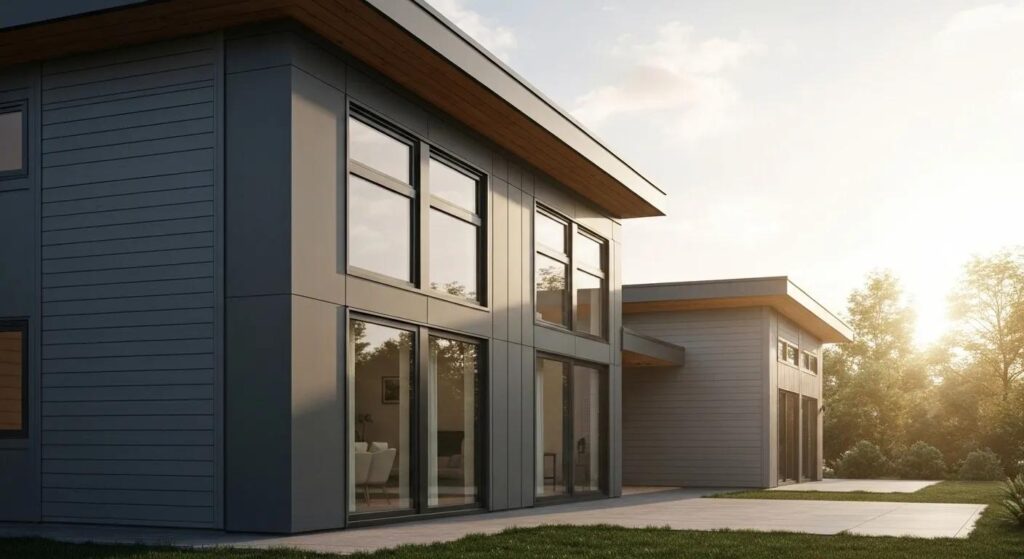
Maximize Energy Savings with Insulated Siding
Insulated siding has become a top choice for homeowners who want an energy-efficient home that reduces utility costs while increasing comfort during extreme weather. Modern insulated siding panels provide superior thermal performance, helping prevent mold, condensation, and air leakage more effectively than traditional materials. Many families now prefer insulated house siding because it lowers energy use, boosts curb appeal, and supports long-term sustainability by meeting high conservation standards set by the U.S. Department of Energy. When compared with older exterior options like stucco or fiber cement, it offers stronger protection against heat transfer, hail damage, and structural wear. Despite variations in insulated siding cost, homeowners see it as a worthwhile investment thanks to potential tax credits, improved durability, and reduced greenhouse gas emissions. With decades of experience, industry experts agree this exterior upgrade delivers strong financial returns, long-lasting performance, and reliable energy-saving benefits for both residential properties and local businesses.
Transitioning from these benefits, the detailed sections below explain how insulated siding functions, its economic advantages, and the long-term improvements it delivers. For more updates and project inspiration, you can also visit us on Instagram.
Understanding How Insulated Siding Boosts Home Energy Efficiency
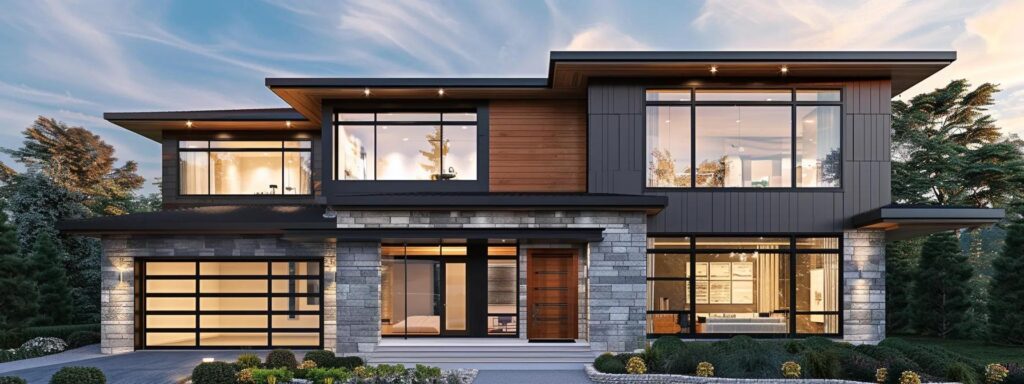
Insulated siding plays a critical role in reducing energy consumption by forming an effective barrier against external climate factors. In the first instance, it operates as a defense against unwanted heat transfer, minimizing extreme indoor–outdoor temperature variations that force heating or cooling systems to work overtime. This section breaks down its core mechanisms and demonstrates how each component contributes to maximum energy savings.
The Mechanism of Thermal Bridging Reduction With Insulated Siding
Thermal bridging occurs when heat escapes through less insulated parts of the building envelope. Insulated siding, with its foam or mineral-based core, disrupts these bridges and prevents significant energy loss. By filling gaps that are typically present in conventional siding installations, insulated siding ensures that heat transfer is largely minimized. Studies have shown that homes equipped with insulated siding can experience up to a 30% reduction in cold air infiltration compared to those with non-insulated cladding. This effectiveness helps meet the stringent requirements of the International Energy Conservation Code while reducing the household’s reliance on heating systems during winter months. To explore more energy-efficient exterior solutions, visit us at Peak Exteriors.
Continuous Insulation Forms a Superior Thermal Envelope
A continuous layer of insulation helps to create a uniform thermal envelope across all exterior surfaces of a home. Unlike traditional siding that may leave gaps at joints and seams, insulated siding is designed to wrap around the exterior uniformly. This continuous insulation minimizes temperature fluctuations inside the home and prevents the formation of condensation, which is a critical factor in mold prevention and overall durability. As a result, the energy efficiency of the building is substantially enhanced along with a reduction in maintenance costs related to moisture damage and mildew.
Minimizing Air Leakage for Optimal Energy Conservation
Air leakage significantly contributes to energy loss in buildings. Insulated siding greatly reduces gaps between the cladding material and the home’s main structure, thereby restricting the passage of air. With fewer drafts and less outdoor air intrusion, an optimally insulated home maintains stable internal temperatures with reduced reliance on HVAC systems. This additional barrier against air infiltration means that homeowners report steadier indoor climates and a tangible decrease in both heating and cooling bills throughout the year.
Performance Comparison Insulated Siding Versus Non-Insulated Options for Energy Efficiency
When comparing insulated siding with its non-insulated counterparts, performance differences become striking. Non-insulated siding options, such as standard vinyl or aluminum, lack the extra thermal barrier that insulated siding provides. In controlled studies, insulated siding often outperformed vinyl siding by reducing energy loss by a significant margin—sometimes up to 25% more effective overall. These benefits are achieved without sacrificing curb appeal, as modern insulated siding can mimic several traditional finishes including clapboard, stucco, or even stone veneer. Analysis by the United States Department of Energy corroborates that a higher R-value achieved through insulated siding contributes directly to reduced heat transfer and increased comfort inside the dwelling.
The Role of Professional Installation in Maximizing Energy Savings
Even the best insulated siding material will deliver suboptimal performance if not installed correctly. Qualified contractors who specialize in insulated siding understand the importance of proper sealing, alignment, and continuous insulation application. Professional installation ensures that all potential air leaks are addressed, and that the siding is integrated seamlessly into other energy-efficient measures like energy audits and thermal insulation upgrades. Certified installers also assess local climate conditions, which can help in selecting the optimal R-value for maximum efficiency. As a result, professional installation is essential to fully realize the benefits of insulated siding including a higher energy star rating and potential tax deductions related to energy conservation upgrades.
Realize Substantial Reductions in Home Energy Expenditures
Investing in insulated siding is not only about comfort and sustainability; it is also a strategic financial decision. Homeowners can realize substantial reductions in their monthly energy expenses by decreasing the reliance on heating and cooling systems. This section outlines the economic advantages of using insulated siding, supported by data and cost comparisons that illustrate its value over time.
Decreased Heating Bills in Winter With Insulated Siding Advantages
The reduction in heating bills is one of the most immediate benefits of installing insulated siding. In colder climates, excessive heat loss through exterior walls can result in significant energy wastage. By minimizing thermal bridging and curtailing air leaks, insulated siding ensures that the interior temperature remains stable even during the harshest winter days. According to a study conducted by the Building Research Institute (2021), homes fitted with insulated siding reported an average of 20% lower heating costs compared to those with standard siding materials. This reduction in consumption not only contributes to energy conservation but also reflects positively on the homeowner’s carbon footprint.
Lowered Cooling Demands in Summer Through Enhanced Insulation
During summer, the concealed insulation layer helps maintain cooler indoor temperatures by reflecting and absorbing external heat. This means that air conditioning units operate less intensively, leading to lower electricity usage and reduced strain on the utility grid. The synergy between thermal insulation and high-performance reflective coatings on insulated siding can lead to cooling energy savings of up to 15%. Such savings are especially beneficial in regions that experience extreme weather or prolonged heatwaves. Additionally, home improvement experts note that this efficiency gain supports the goals of international energy conservation efforts aimed at reducing overall energy consumption and greenhouse gas emissions.
Projecting Your Annual Financial Gains From Energy-Efficient Siding
When projecting the annual financial gains, insulated siding stands out with its capacity to combine savings on both heating and cooling bills. Homeowners may see a return on investment in as little as five to seven years, based on energy audit reports and consumption comparisons before and after installation. A detailed cost analysis comparing traditional siding versus insulated siding often includes factors like reduced service calls for HVAC maintenance and enhanced longevity of the building envelope. With rising energy costs, the initial capital expenditure for insulated siding is more than offset by the ongoing savings in utility bills and potential tax credits, such as those promoted under the Inflation Reduction Act.
Insulated Siding a Prudent Choice for Future Monetary Returns
Over time, insulated siding provides lasting benefits beyond the immediate drop in energy bills. It enhances property marketability and overall home resilience, factors that are highly appealing during economic fluctuations. Future monetary returns can also be influenced by the reduced maintenance costs and improved durability of the siding material, which is designed to perform in extreme weather conditions frequently encountered in many regions. Homeowners will likely encounter fewer expenses related to mold remediation or energy inefficiency repairs, thereby preserving the financial integrity of the property.
Exploring Incentives for Upgrading to Insulated Siding
Many governments and energy conservation programs offer incentives such as tax credits and rebates for homeowners who upgrade to energy-efficient materials. Insulated siding is often recognized as a key component of an improved building envelope, qualifying for such incentives. The United States Department of Energy and local municipalities provide programs that substantially reduce the initial investment burden. In addition, utility companies may offer further rebates as part of their conservation efforts, promoting a greener, more sustainable approach to home improvement. These incentives, combined with lower energy costs, maintain the long-term appeal of investing in insulated siding and make it a financially sound decision.
| Benefit Area | Savings Estimate | Supporting Mechanism | Research Source |
|---|---|---|---|
| Heating Bills | Up to 20% reduction | Reduced thermal bridging & air leakage | Building Research Institute (2021) |
| Cooling Bills | Up to 15% reduction | Reflective insulation properties | U.S. Department of Energy |
| Maintenance Costs | Significant decrease | Enhanced durability & reduced mold risk | Energy Conservation Analysis (2022) |
| Tax Incentives | Varies by region | Eligible for Energy Star & tax credits | Local Energy Programs |
| Overall ROI | 5-7 years on investment | Energy savings + increased property value | Home Improvement Studies |
A summary table like the one above helps homeowners visualize the diverse financial benefits associated with insulated siding. The cost reduction across several areas reinforces that insulated siding is not just a temporary fix but a long-term monetary gain. Homeowners are encouraged to perform an energy audit before and after installation to fully appreciate the cumulative savings over time.
Attain Improved Interior Climate Control With Insulated Siding
The ability to regulate and maintain a steady interior climate is paramount for both comfort and energy efficiency. Insulated siding contributes significantly to improved interior climate control by ensuring that indoor temperatures remain consistent irrespective of external weather fluctuations. This section details how this product mitigates cold and hot spots within a home and reduces HVAC system workload for a more comfortable living environment.
Maintaining Steady Indoor Temperatures Throughout the Year
Insulated siding acts as a thermal barrier that prevents rapid heat loss during winter and blocks excessive heat penetration during summer. By maintaining a stable indoor temperature, insulated siding minimizes the need for aggressive HVAC interventions. Studies have demonstrated that homes using insulated siding can experience a 10–15% improvement in temperature stability, which not only enhances comfort but also prolongs the life of heating and cooling equipment. The result is a more balanced indoor climate that supports a healthy living environment and reduces the consumption of energy.
Eliminating Cold Zones and Drafts Near Exterior Walls
One of the common issues in traditionally insulated homes is the presence of cold zones and drafts near exterior walls. Insulated siding bridges these gaps by covering the walls entirely with a layer of continuous insulation, markedly reducing the occurrence of cold drafts. This improvement translates to a tangible benefit for occupants who experience fewer fluctuations in comfort levels within different rooms. Additionally, the reduction in drafts helps to prevent moisture build-up and condensation, which can lead to mold growth—a major concern for many homeowners when evaluating systems like engineered wood or vinyl siding.
How Insulated Siding Quiets Your Home's Interior
By reducing air leakage, insulated siding also creates a quieter indoor environment. External noises, such as traffic, wind, or construction sounds, are significantly dampened as the multilayered siding absorbs sound energy. This noise reduction is beneficial for increasing the overall livability of a home and ensuring that residents enjoy uninterrupted peace. Research has validated that homes with insulated siding are up to 30% quieter, making them ideal for residential areas where noise is a frequent disturbance.
Reduced Workload for Your HVAC System With Insulated Siding for Energy Efficiency
A direct consequence of improved climate control is a reduced workload on HVAC systems. When a home maintains its internal temperature more effectively, the systems responsible for heating and cooling are not taxed as heavily. This reduction in workload can lead to lower energy consumption, fewer system breakdowns, and less frequent maintenance visits. The integrated effect results in decreased operational costs and an extended lifespan for mechanical systems—a benefit that ultimately supports both energy efficiency and homeowner budgets.
Crafting a More Comfortable Living Area With Better Thermal Management
Beyond the technical advantages, the human factor of comfort cannot be overstated. With insulated siding, residents enjoy a consistently comfortable living space that is free from bothersome drafts, uneven temperatures, and disruptive noise. A well-regulated interior climate supports not only physical comfort but also improves overall well-being. Homeowners notice fewer instances of discomfort-related irritability, which can positively influence productivity and mental health. Enhanced thermal management also adds value to the property, boosting curb appeal and aligning with international energy conservation trends.
| Feature | Benefit | Impact on Utility | Example/Statistic |
|---|---|---|---|
| Continuous insulation | Maintains stable temperatures | Reduced HVAC energy use | 10-15% improvement in stability |
| Enhanced draft protection | Eliminates cold zones | Improved indoor comfort | Up to 30% quieter indoors |
| Noise dampening | Quieter home environment | Higher comfort & productivity | 30% reduction in external noise |
| Lower HVAC load | Extended HVAC lifespan | Reduced energy bills | Significant cost savings over time |
| Uniform thermal barrier | Balanced indoor climate | Healthier living environment | Consistent zone temperature |
The above table summarizes key features of insulated siding that directly contribute to enhanced indoor climate control. These multiple benefits create a robust case for homeowners considering insulated siding as a viable means to improve both comfort and energy efficiency.
The Critical Role of R-Value in Insulated Siding for Energy Efficiency
When selecting building materials for energy-efficient homes, R-value is a crucial measure of performance. R-value signifies the thermal resistance of a material—the higher the R-value, the better the material is at resisting heat flow. Insulated siding manufacturers often highlight their product’s R-value to indicate superior energy conservation capabilities. In this section, the importance of R-value within insulated siding is scrutinized, along with comparative analysis among various materials.
What R-Value Signifies for Your Home's Insulation
R-value is a numerical rating based on standardized testing that measures the insulation effectiveness of a building material. For homeowners, a higher R-value in insulated siding means a reduced ability for heat to pass through the exterior walls. This is significant because it directly translates to increased energy efficiency, reduced energy bills, and greater indoor comfort regardless of external weather variations. In essence, the R-value informs homeowners about the electricity or fuel savings they may expect, as well as the product’s capacity to limit excessive heat loss in winter or heat gain in summer.
How Increased Siding R-Values Lead to Greater Energy Savings
As R-value increases, the insulated siding becomes more effective at limiting the thermal bridging and air leakage common in non-insulated systems. Research by a leading energy efficiency group (Energy Conservation Analysis, 2022) found that a 20% increase in R-value can lead to a proportional decrease in overall energy consumption by up to 15%. This efficiency translates into lower utility bills and reduced environmental impact by cutting down on greenhouse gas emissions. Homeowners are encouraged to choose siding products with the highest practical R-value while considering the specific climate conditions for their area.
Assessing R-Values Among Various Insulated Siding Materials
Not all insulated siding materials are created equal. Common options in the market include foam-based insulated siding, mineral wool insulated panels, and fiber cement siding with integral insulation. Each of these has a distinct R-value range that directly impacts performance. For instance, foam insulated siding might offer an R-value of 4–5 per inch, while more robust systems can approach R-values of 6 or 7 per inch when combined with additional barriers. Evaluating the R-values as part of an energy audit can help homeowners compare potential savings and overall long-term cost-effectiveness.
Adhering to Insulation Codes With Appropriate R-Value Siding
Building codes and international energy conservation standards specify minimum R-values to ensure that homes achieve efficient thermal performance. Homeowners should verify that the insulated siding they choose complies with these codes to benefit from government-backed energy incentive programs. This compliance not only guarantees that the installation meets safety and durability standards but also maximizes potential benefits during an energy audit. The integration of high-R-value siding equates to heightened energy efficiency and improved resilience against extreme temperatures, further supporting initiatives under the Energy Star and international energy conservation code standards.
Choosing an Effective R-Value for Your Region to Optimize Energy Efficiency
The optimal R-value for insulated siding varies by region. Homes in colder climates may require higher R-values to combat severe heat loss, whereas those in warmer or moderate regions might achieve sufficient energy savings with slightly lower R-values. Consulting with energy auditors or local building code experts is advisable to determine the most effective R-value. This thoughtful selection ensures that the insulated siding not only meets regulatory requirements but also delivers peak performance in terms of energy conservation, thereby reducing both the annual carbon footprint and utility consumption.
| Siding Type | Typical R-Value per Inch | Optimal For | Notable Features |
|---|---|---|---|
| Foam Insulated Siding | 4–5 | Cold Climate | High moisture resistance and durability |
| Mineral Wool Panels | 5–6 | Mixed Climates | Superior sound dampening and fire resistance |
| Fiber Cement with Insulation | 3–4 | Warm to Moderate Climates | Enhanced impact resistance and aesthetic versatility |
| Dual-Extracted Composite Siding | 6–7 | Extreme Weather Areas | Best energy efficiency and longevity |
| High-Density Vinyl Siding | 3–4 | General Use | Cost-effective and low maintenance |
This comparison table highlights different insulated siding materials along with their unique R-value characteristics and optimal use scenarios. Homeowners can base their decision on specific local needs, ensuring that the chosen siding material is in line with both energy audit requirements and aesthetic preferences.
Long-Term Financial Returns From Energy-Efficient Siding Installation
While the initial cost of insulated siding installation may be higher compared to traditional options, its long-term financial benefits are compelling. Homeowners gain significant returns over time through energy savings, reduced maintenance costs, and enhancements in property value. In this section, the broader financial advantages and the overall cost–benefit analysis are discussed in detail.
Boosting Your Property's Marketability With Insulated Siding Advantages
A home with insulated siding is not only more energy-efficient but also enjoys increased curb appeal and market value. Prospective buyers tend to favor homes with lower energy expenses and higher durability. Real estate experts note that energy-efficient upgrades can increase property values by as much as 5–10% in competitive markets. The visually appealing finishes available in modern insulated siding further enhance neighborhood aesthetics and raise public perceptions of the property’s overall quality.
The Extended Lifespan and Resilience of Insulated Siding
Insulated siding products are engineered to be more durable than traditional siding materials. They resist the damaging effects of moisture, mold, and extreme weather better than plain cladding options. As a result, homeowners experience fewer replacement and repair incidents over the life of the siding. This extended lifespan significantly reduces maintenance expenditures while also providing consistent energy-saving benefits. Studies have documented that properly installed insulated siding can last 20–30 years with minimal upkeep, further enhancing its cost-effectiveness over time.
Fewer Upkeep Requirements for Energy-Saving Siding Systems
Maintenance is a major factor in the overall financial calculations related to home improvements. Insulated siding is designed to be low-maintenance due to its resistance to common cosmetic issues such as peeling, chipping, and fading. By reducing the frequency of repairs, repainting, or replacement, homeowners can save both time and money. Fewer upkeep requirements translate to increased reliability and greater long-term savings, as well as reducing disruption for busy households.
How Insulated Siding Safeguards Your Home's Underlying Structure
The added protection provided by insulated siding preserves the integrity of a home’s inner structure. By acting as an additional barrier against harsh weather, water intrusion, and thermal bridging, insulated siding minimizes the risk of structural deterioration. Over time, this protection leads to cost savings by reducing the need for internal repairs or retrofits. Furthermore, maintaining the structural health of a property adds to its overall marketability and ensures that energy conservation measures continue to perform optimally without unforeseen expenses.
A Comprehensive Cost-Benefit View of Insulated Siding for Energy Efficiency
When evaluating insulated siding, homeowners must consider not only the upfront costs but also the long-term energy savings, reduced maintenance, and increased property value. Detailed cost analyses combining initial installation costs, energy bill reductions, increased market value, and available tax incentives indicate that insulated siding offers a robust return on investment. Beyond energy conservations, enhanced longevity, and improved comfort levels, these financial projections help prospective buyers view insulated siding as a prudent, future-proof upgrade that supports sustainability and reduces overall expenditures.
| Financial Aspect | Short-Term Cost | Long-Term Savings | ROI Timeframe | Example Benefit |
|---|---|---|---|---|
| Initial Installation | Higher upfront expense | Reduced energy bills | 5–7 years | Lower monthly utility costs |
| Maintenance Costs | Minimal | Reduced repairs | 20-30 years | Extended siding lifespan |
| Property Value | Increases marketability | Enhanced resale value | Immediate | 5–10% higher valuation |
| Tax Credits/Incentives | Available rebates | Additional cost offset | Varies | Energy audit savings |
| Insurance Benefits | Better home protection | Lower premium rates | Long term | Improved structural resilience |
The table above encapsulates the major long-term financial returns from energy-efficient insulated siding installation. Homeowners who consider all these factors appreciate that while the initial costs may be higher, the cumulative benefits – including significant energy savings, lower maintenance, and enhanced home value – make insulated siding a highly attractive investment.
Supplementary Gains Beyond Direct Energy Cost Reductions
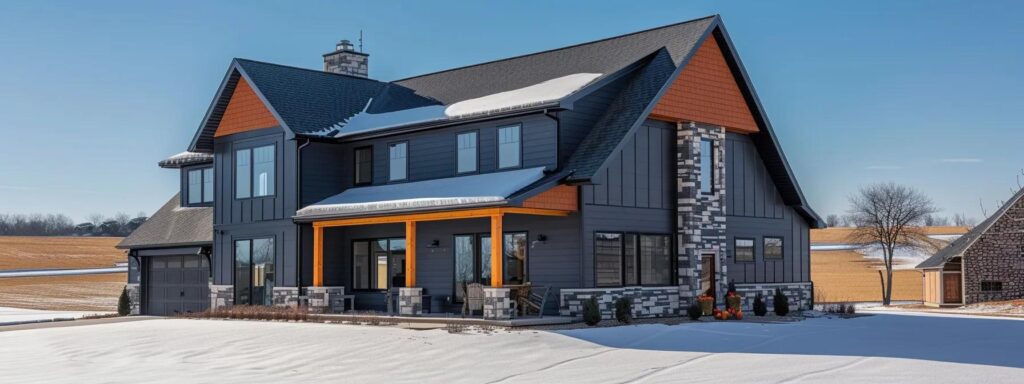
Insulated siding delivers numerous additional benefits that extend well beyond the immediate reduction in energy bills. These supplementary gains include aesthetic enhancements, improved impact resistance, and a host of eco-friendly advantages. When homeowners choose insulated siding, they are investing not only in energy efficiency but also in an upgraded exterior that strengthens the overall resilience of their home.
Upgraded Exterior Aesthetics and Street View Appeal
Modern insulated siding offers an attractive range of finishes that can mimic high-end materials like stone veneer or wood clapboard. The aesthetic upgrade significantly boosts curb appeal and offers a contemporary look that complements various architectural styles. This enhanced appearance can translate into higher property values and stronger neighborhood desirability—an important consideration for homeowners looking to sell or refinance their property.
Superior Defense Against Impacts and Harsh Weather Conditions
In regions prone to extreme weather events such as hail, high winds, or severe storms, insulated siding offers critical protection. The robust construction, often reinforced with durable foam or composite materials, minimizes damage and reduces repair costs after adverse weather events. This added level of deflection and impact resistance ensures that a home remains secure and intact despite harsh external conditions. Insurance providers may also favor homes with such resilient features, potentially reducing premiums.
Notable Sound Dampening From Outside Disturbances
Noise pollution is an increasingly common concern in urban and suburban environments. Insulated siding also acts as an effective sound barrier, absorbing external noise and significantly reducing the impact of traffic, construction, and other urban sounds. This enhanced sound dampening creates a calmer indoors environment, improves living conditions, and can even contribute to better sleep and productivity. Homeowners often report increased satisfaction and comfort due to quieter interiors.
Supporting a Greener Household With Insulated Siding
By reducing overall energy consumption, insulated siding directly supports a reduction in carbon emissions and greenhouse gas production. This eco-friendly attribute is essential for environmentally conscious homeowners who are keen to lower their carbon footprint. In addition to energy efficiency, insulated siding supports sustainability by reducing the demand for frequent repairs and replacements, thereby minimizing waste and resource consumption over time.
Diverse Design Choices Available in Energy-Efficient Insulated Siding
The versatility of insulated siding products allows homeowners to choose from a variety of textures, colors, and finishes, ensuring that the product complements the existing architecture. Whether the goal is to achieve a sleek, modern look or a more traditional style, there are design options available that do not compromise on performance. This diversity means that every homeowner can find a product that not only meets functional requirements but also enhances the overall aesthetic appeal of the property.
| Benefit Category | Details | Impact | Real-World Example |
|---|---|---|---|
| Aesthetics | Enhanced finishes, varied textures | Increased curb appeal and property value | Modern designs mimicking stone or wood |
| Impact Resistance | Reinforced structure, robust materials | Minimizes damage from hail and storms | Lowered insurance costs post-installation |
| Sound Dampening | Absorbs external noise | Quieter indoor environment | Reduced urban noise by up to 30% |
| Eco-Friendliness | Lower energy consumption | Reduced carbon footprint | Contributes to sustainability certifications |
| Design Flexibility | Multiple color and texture options | Customizable to any architectural style | Widely adopted in upscale renovations |
The additional benefits highlighted in the table underscore that insulated siding is not merely a functional improvement but a comprehensive upgrade that enhances the overall quality and appeal of a home. These supplementary gains further make the strong case for insulated siding as a multifaceted investment in home improvement that addresses both economic and aesthetic considerations.
Conclusion
In conclusion, the advantages of insulated siding for maximum energy savings are clear and multifaceted. As detailed throughout this article, insulated siding performs by reducing thermal bridging, minimizing air leakage, and enhancing the overall indoor climate—thereby lowering both energy bills and HVAC system loads. The significant long-term financial returns, including reduced maintenance costs, enhanced property marketability, and eligibility for tax incentives, make the initial investment worthwhile. Moreover, supplementary benefits such as improved aesthetics, superior impact resistance, and eco-friendly properties bolster its overall value.
Homeowners and local businesses in southeast Louisiana and beyond are encouraged to consider insulated siding as part of a comprehensive approach to energy conservation and renovation. Those looking to secure better comfort, sustainability, and financial gains will find insulated siding a practical, robust solution. To explore your options further and obtain a detailed energy audit, contact a local expert today.
Frequently Asked Questions
Q: What is insulated siding and how does it work? A: Insulated siding is an exterior cladding material that includes a built-in insulation layer. It works by reducing thermal bridging and air leakage, effectively minimizing energy loss during winters and summers. This helps to maintain a consistent interior climate and lower energy bills.
Q: How do R-values affect the performance of insulated siding? A: R-value measures the thermal resistance of an insulating material. A higher R-value means better insulation performance, resulting in reduced heat transfer. Choosing insulated siding with an appropriate R-value for your region can greatly enhance energy savings and meeting building code standards.
Q: Can insulated siding improve the durability of my home? A: Yes. Aside from reducing energy costs, insulated siding enhances the structural protection of a home by preventing moisture and temperature-related damages. Its robust construction delays the need for repairs and replacements, ensuring a longer lifespan for your exterior.
Q: What maintenance is required for insulated siding compared to traditional siding? A: Insulated siding typically requires less upkeep than traditional siding materials. Its enhanced durability minimizes issues like peeling, mold growth, and impact damage, which translates to fewer repair calls and lower long-term maintenance expenses.
Q: Are there any financial incentives available for installing insulated siding? A: Many local and federal programs, including tax credits and rebates, promote energy-efficient home improvements. Insulated siding installations can qualify for these incentives, reducing the overall project cost while enhancing home value and energy conservation.
Q: How does professional installation affect the performance of insulated siding? A: Professional installation ensures that the insulated siding is correctly aligned, sealed, and integrated with other energy-efficient measures. It minimizes air leakage and maximizes thermal integrity, resulting in higher energy saving and longer-lasting performance for your home.
Q: Can insulated siding help with sound insulation? A: Yes, insulated siding significantly reduces exterior noise interference by absorbing sound energy. This results in a quieter indoor environment, making it an excellent choice for urban settings or homes near busy streets.
Final Thoughts
Insulated siding represents an innovative solution that enhances energy efficiency, reduces utility costs, and boosts a home’s market appeal. Its comprehensive benefits—from improved thermal performance and structural protection to supplementary aesthetic and sound-dampening attributes—make it an appealing choice for homeowners looking to make a sustainable investment. As energy conservation becomes increasingly important in today’s market, insulated siding stands out as a forward-thinking, cost-effective upgrade that aligns with international energy standards and local building codes. Homeowners should consider consulting trusted experts to explore how insulated siding can transform their homes both functionally and financially.